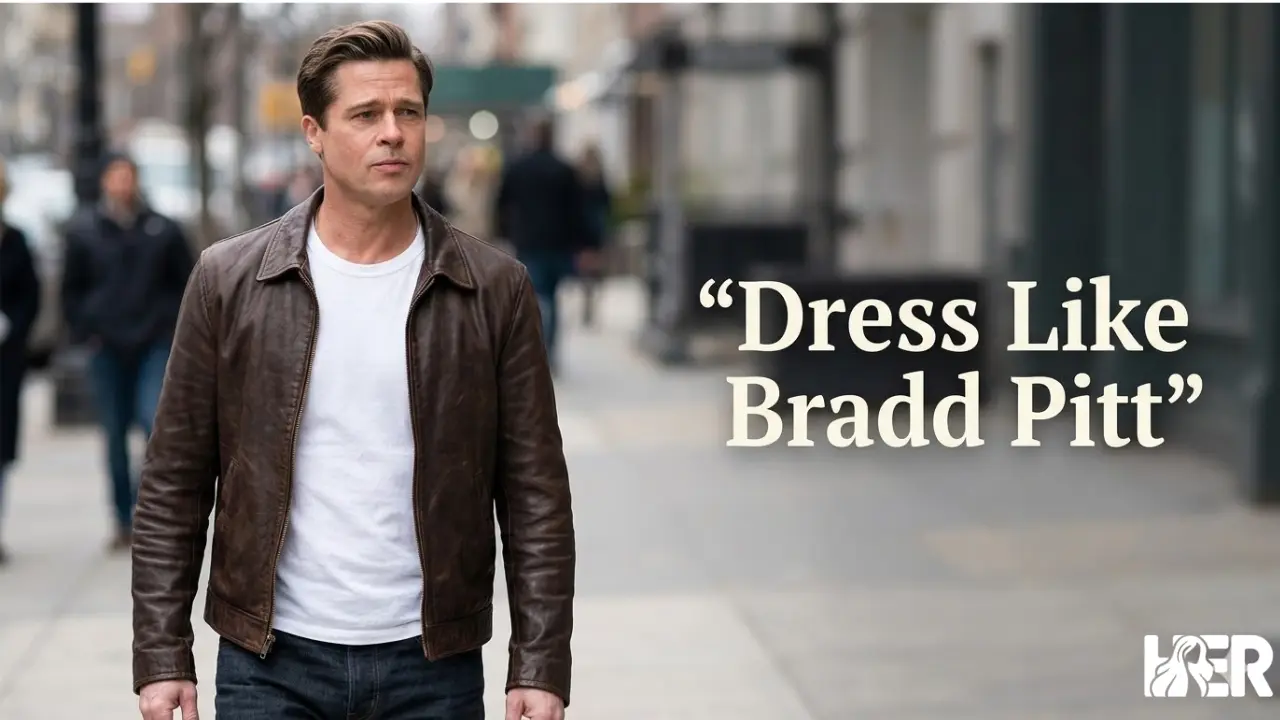
Okay so here's the thing about Brad Pitt's clothes. They don't look like an outfit. They look like he just got dressed. And that's genuinely hard to pull off when you're one of the most photographed men alive.
I've been looking at his style across different decades trying to figure out what the actual through-line is — not the "oh he wore a leather jacket in Fight Club" surface stuff. What is it that makes his clothes feel current in 2026 when half the things he wore in 1995 should look embarrassing by now?
Three things, honestly. Fit. Neutral colours. And the fact that he never lets one piece do too much.
The leather jacket situation
If you go back through his appearances — press tours, airports, casual stuff caught by paparazzi — a leather jacket shows up constantly. Different cuts across different eras. Biker in the '90s. More of a moto silhouette in the early 2000s. Recently he's worn shearling collar versions, which feel more relaxed. But the way he wears them barely changes.
Plain tee underneath. Dark jeans. Boots or simple sneakers, never anything flashy. The jacket open, not zipped up like he's about to ride something.
Black works. Dark brown works. Don't buy one with loads of hardware on it — buckles and studs and extra zippers are for people who want the jacket to be the whole personality. His aren't like that. Clean front, sits at the hip, that's basically the brief.
Why neutrals? Because they just work, that's why
There's a version of this article that tries to make his colour palette sound like a philosophy. It's not. He just wears colours that go with other colours. Charcoal. Navy. Black. Olive. Beige. The occasional warm grey.
His suits follow the same logic. Slim fit, neutral shade, white or pale blue shirt, minimal break at the ankle, usually no tie. That's it. He's worn versions of this to film premieres, dinners, industry events — it reads sharp without reading like he spent three hours getting ready.
If you own a charcoal suit and a navy suit that actually fit properly, you've essentially covered his entire formal range. The rest is just styling variations.
About the white tee layering — it's not complicated but people overcomplicate it
White tee under an open overshirt. White tee under a long-sleeve shirt with a jacket thrown on top. Sometimes a short-sleeve tee worn over a long-sleeve one, which sounds weird but looks fine when the fit is right and the colours are muted.
None of this is architectural. He's not doing some complicated layering system. He's just wearing more than one thing at a time in a way that looks natural rather than planned.
The thing that makes it work — and this genuinely matters — is fabric weight. Thin cheap tees look thin and cheap when layered. You want something with a bit of body to it. Slightly heavier cotton, slim cut, crew neck. Buy a few, they'll get used constantly.
Shoes and accessories: basically invisible
Black leather boots are probably his most-worn shoe. White sneakers when the outfit is cleaner. Oxford or derby shoes with suits. A simple watch. A couple of thin rings occasionally. Sunglasses — usually aviators or something slightly rounded, never anything loud.
You genuinely don't notice the accessories. Which is kind of the point. When the accessories disappear, the overall fit and silhouette is what reads. His do.
The evolution thing matters if you're trying to understand the logic
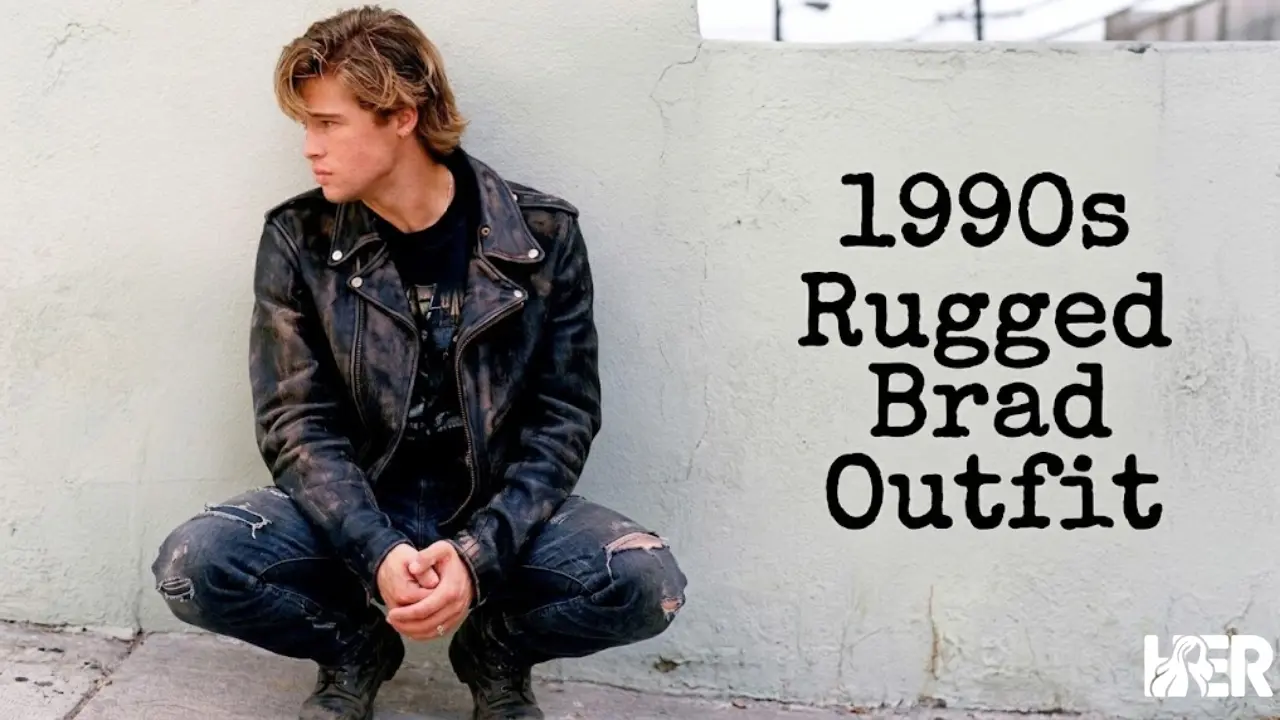
Early-to-mid '90s Pitt was straight-up rugged. Worn denim, dark leather, almost no accessories. That version of his style still works and it's where most imitations start.
By the 2000s he'd moved toward cleaner tailoring. More structured suits, less streetwear energy, the kind of smart-casual dressing that works in London, New York, Milan — cities where people actually need outfits that cross contexts without changing.
More recently there's been some experimentation. Wider trousers. The occasional velvet blazer. A lilac shirt that he somehow didn't look ridiculous in. The lesson isn't "buy a velvet blazer" — it's that once you've got the foundational stuff sorted, you can start pushing things a bit without the whole look falling apart.
Related Article : Femme Rugged Fashion
Real outfits you can actually build
Leather jacket, white or grey tee, dark slim jeans, white trainers. This is his most-copied look and there's a reason — it just works, everywhere, in any city.
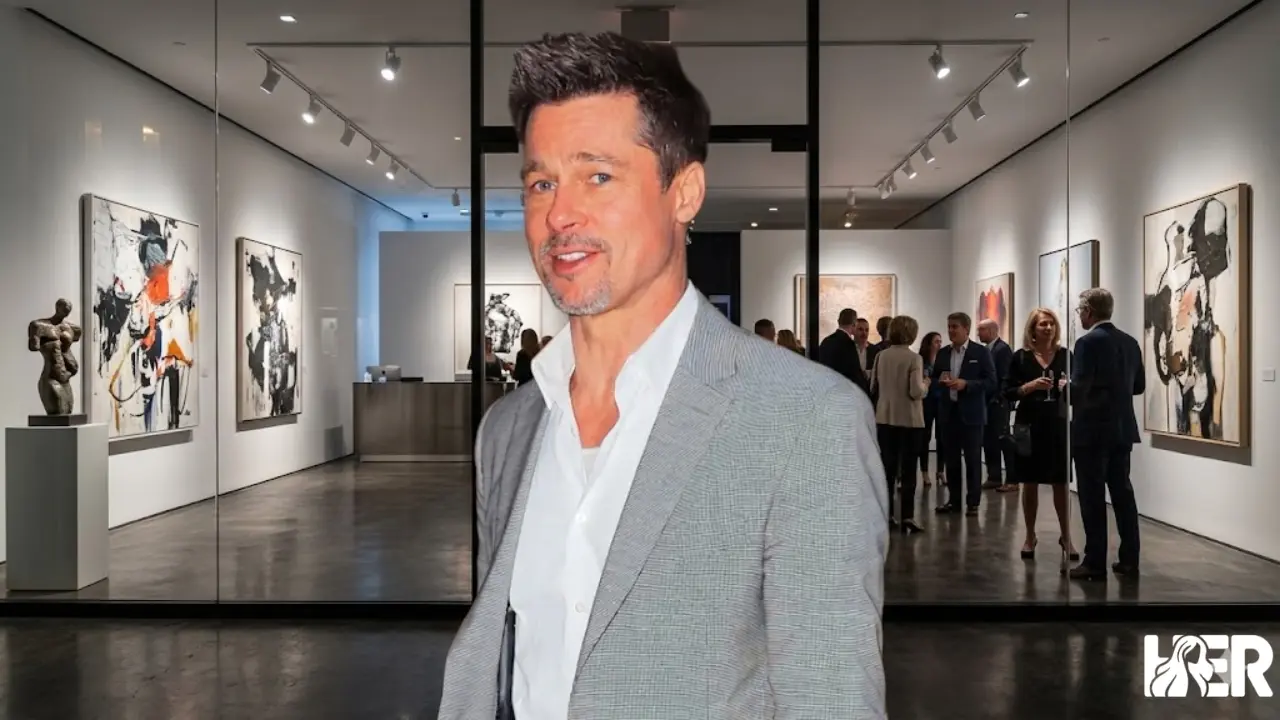
Charcoal or navy suit, white shirt layered under a thin knit instead of a tie, dark leather shoes. Genuinely versatile — office, dinner, wedding, you name it.
Olive or beige cargos, plain tee under a light overshirt, simple jacket on top. His more relaxed recent vibe without looking like a costume.
Black or charcoal suit with a sheer or fine-knit tee underneath instead of a shirt, black leather boots. Smarter than it sounds, especially with a suit that has some texture to it.
A few practical notes
This isn't a body-type-specific wardrobe. Leaner builds can go slim on everything. If you're broader or more athletic, straight-leg trousers and simpler layering will serve you better than anything too fitted. Shorter guys — slightly cropped jacket, clean trouser break, keeps proportions from getting swallowed.
You don't need much to start. Honestly: one leather jacket, a handful of white tees, one neutral suit that actually fits, dark jeans, and simple boots. That's the core. You can build outward from there.
The goal isn't to look like him. It's to understand what makes his choices work — and then apply that same thinking to your own wardrobe, your own city, your own life.