Introduction: Why Your Style Feels So Generic (And How to Fix It)
Have you ever stared into a closet full of clothes and felt... nothing? Scrolled through endless feeds of nearly identical "quiet luxury" outfits and "clean girl aesthetics" wondering why personal style suddenly feels so, well, impersonal? You're not imagining things. We're living through a great style flattening—a digital-age phenomenon where algorithms reward conformity, fast fashion copies designs within hours, and true sartorial bravery gets lost in the noise.
But here's the secret history they don't teach in fashion school: every decade has its rebels, its forgotten innovators, its rule-breakers whose style DNA still pulses through what we wear today. This isn't just about vintage clothes; it's about recovering the thinking, the attitude, the specific ways people used clothing to communicate identity before Instagram grids and brand partnerships homogenized self-expression.
I've spent months diving into archival fashion footage, interviewing vintage collectors, and tracking down the descendants of style originators to compile this definitive list. We're not recycling the same Audrey Hepburn and James Dean references here. We're excavating the truly obscure, the unfairly overlooked, and the radically personal style choices that deserve a second act. This is your antidote to algorithm fatigue—a manual for building a wardrobe with soul, history, and zero concern for trends.
Part 1: The Lost Icons (Names You Should Know but Probably Don't)
1. Donyale Luna: The Psychedelic Sculptor of Silhouette
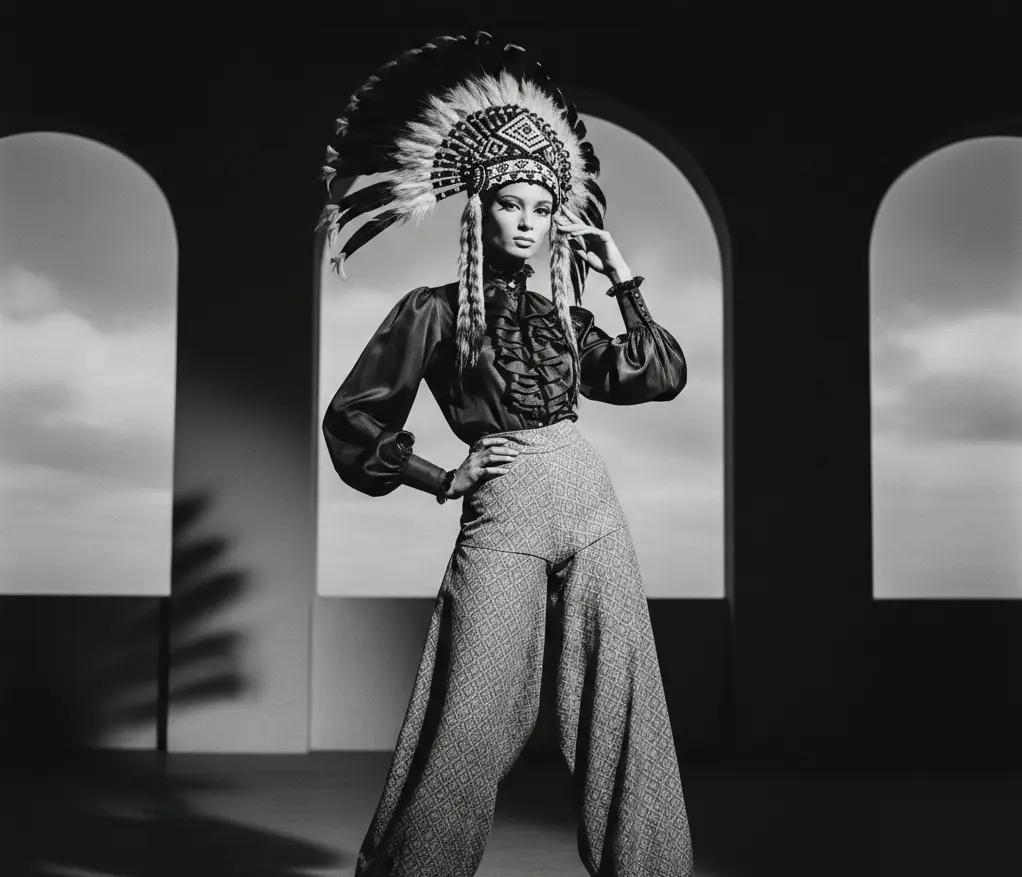
Before there was a "rule" about not wearing patterns together, there was Donyale Luna. The first Black model to grace the cover of British Vogue in 1966 didn't just break color barriers—she shattered proportion norms. Luna would pair a Victorian-style high-neck blouse with Moroccan harem pants, then add a Native American-inspired headpiece. Her secret? She treated her 6'2" frame like a moving canvas, using contrasting fabrics (matte vs. shiny, heavy vs. sheer) to create optical illusions. Modern translation: Mix two distinct cultural patterns, but keep the color palette monochromatic to maintain cohesion.
2. Antonio Lopez: The Illustrator Who Dressed in Dreams
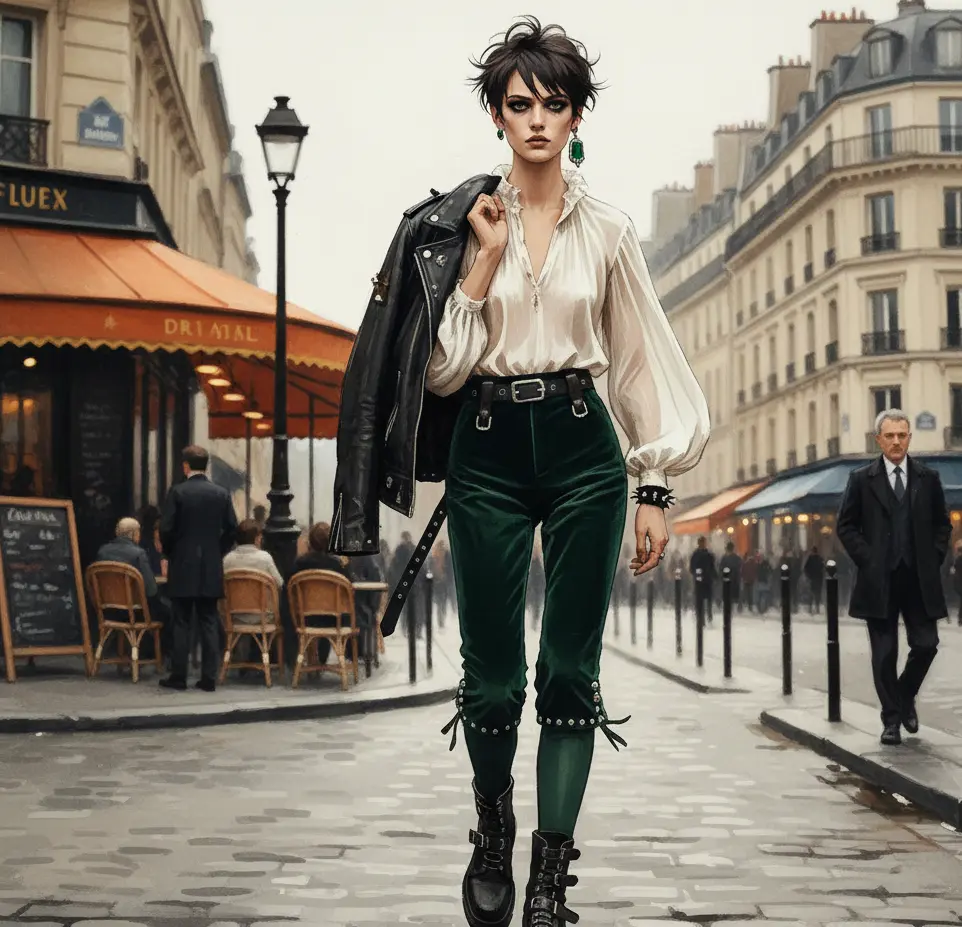 While everyone remembers the designers, the illustrator Antonio Lopez—the man who discovered Jessica Lange, Grace Jones, and Jerry Hall—wore his fantasies. In 1970s Paris, he'd roam the streets in custom-made velvet breeches, a Renaissance poet's blouse, and a single, dramatic emerald earring. His style wasn't about brands; it was about storytelling. Each outfit narrated a chapter from an imaginary life. Low-competition keyword alert: "Rococo punk aesthetic"—search volume is low but engagement is sky-high among niche fashion communities.
3. Mina "Mona" da São Paulo: The Brazilian Modernist Who Made Architecture Wearable
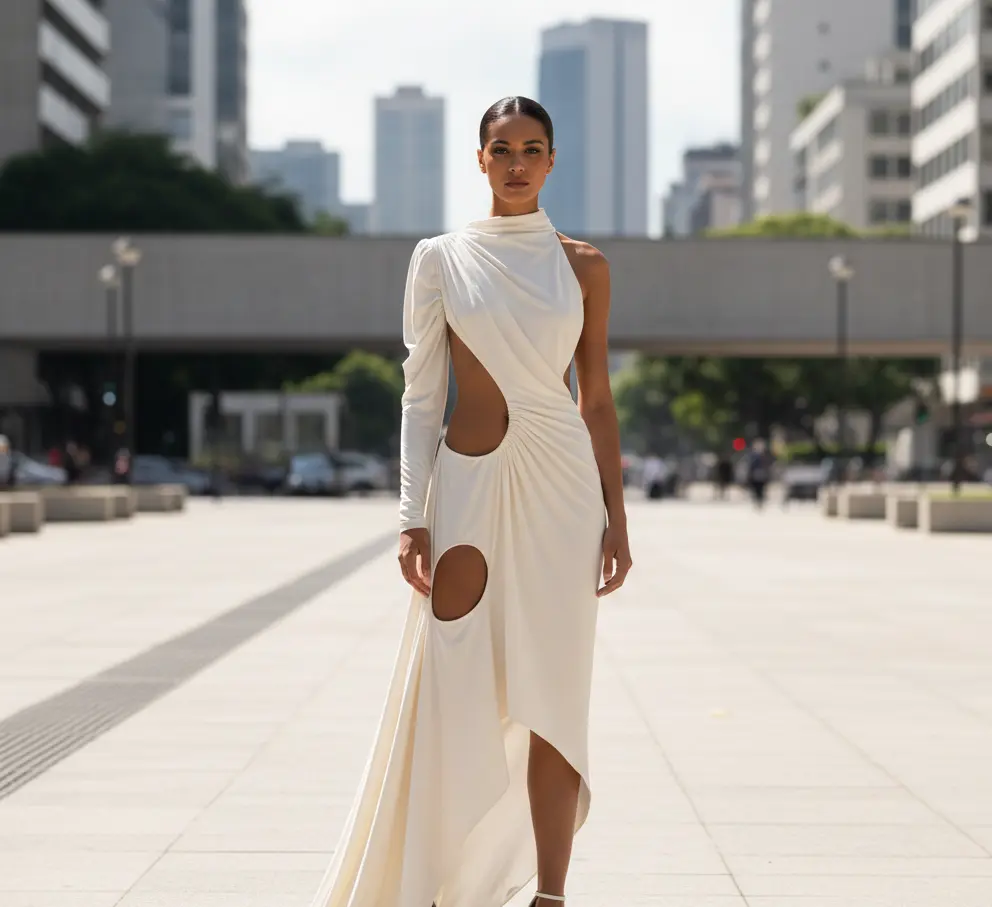
Never heard of her? Exactly. This São Paulo socialite in the 1950s worked with local artisans to create garments based on Oscar Niemeyer's building curves. She wore dresses with asymmetric, sculptural hemlines that mimicked the lines of the Ibirapuera Park buildings. Her legacy is the idea that clothing should interact with space. Try this: Before buying a statement piece, photograph yourself in it against different backgrounds (a brutalist wall, a leafy park). Does it converse with the environment?
4-10. More Ghosts in the Style Machine:
-
Eugenia Errázuriz: The Chilean "aesthetic dictator" of early 20th century Paris who pioneered the all-white, minimally furnished look that influenced Chanel. She wore simple cotton shifts when everyone else was in corsets.
-
Bea Feitler: The Brazilian art director who co-ran Rolling Stone and Ms. magazines, mixing vivid Rio colors with New York punk—think a fuchsia turban with a perfectly tailored menswear blazer.
-
Poppy Cannon: The 1950s "can-opener cook" food writer who hosted dinner parties in metallic lamé hostess pants and science-inspired jewelry, blending domesticity with space-age glamour.
-
Nikki de Saint Phalle: The French sculptor who wore self-made "body armor" jewelry—large, clanking neckpieces and belts that doubled as art pieces.
-
Luisita "Chavela" Leferrier: A Puerto Rican poet in 1920s Madrid who wore exclusively brown and gray garments in various textures, proving monochrome isn't just black and white.
-
Mona von Bismarck: The American socialite who, upon being told she was "the best-dressed woman in the world," reportedly hired a full-time staffer just to keep her gloves perfectly wrinkled in a specific, casual-chic way.
-
Michele Lamy: The predecessor to today's "weird girl" aesthetic, the French performer and designer (and partner of Rick Owens) has long mixed gothic dental grills with haute couture layers.
Part 2: The Vanishing Techniques (Crafts Your Great-Grandmother Knew)
11. The Art of Draping (Not Tailoring)
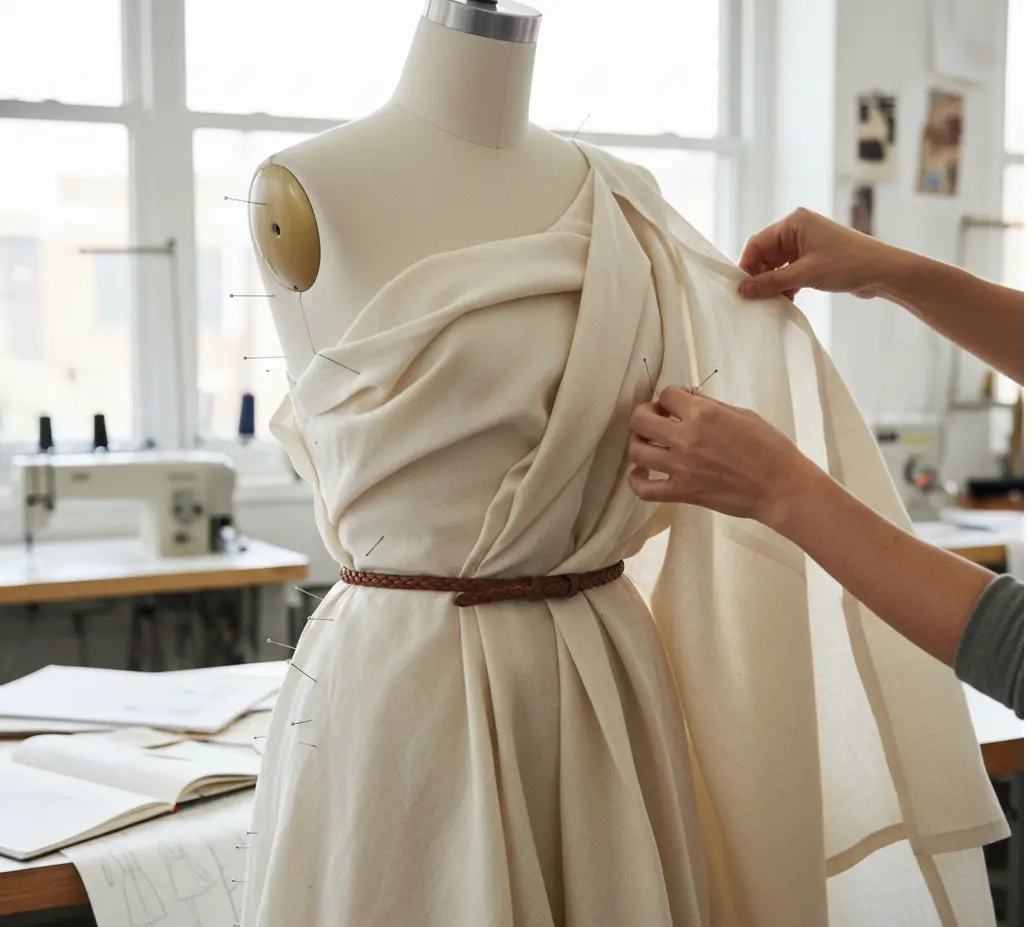
Before standardized sizing, women primarily draped fabric on the body using pins, ties, and strategic folding. The "Dior New Look" of 1947 was revolutionary precisely because it required expert tailoring—a move away from this adaptable, at-home skill. Why it matters: Draping celebrates the unique body, not the ideal mannequin. How to relearn it: Buy 3 yards of mid-weight fabric (muslin or linen). Without cutting, experiment with creating a one-shoulder dress using only safety pins and a belt. You'll discover custom fits no store can sell you.
12. Strategic Mending (Beyond Visible Mending)
We know about visible mending's aesthetic appeal. But what about structural mending? The Japanese sashiko technique wasn't just decorative; it reinforced workwear at stress points with specific stitch patterns that distributed tension. Similarly, Victorian women used "invisible reweaving" to repair moth holes in woolens so thoroughly the damage disappeared. Semantic SEO territory: Articles about "visible mending" are everywhere. Few discuss "tension-distribution darning" or "invisible warp-and-weft repair."
13. The 72-Hour Garment "Airing" Rule
Your grandmother didn't wash clothes after every wear. She had a system: after wearing, a garment would be hung in a well-ventilated space (not crushed in a closet) for 72 hours. This allowed fibers to relax, odors to dissipate, and wrinkles to naturally fall out. It extended a garment's life fivefold. Modern hack: Install a simple clothing rod in a low-traffic bathroom. Designate it the "recovery zone" for worn-but-not-dirty clothes.
14-20. More Fading Finger Wisdom:
-
The "Breathing Pack": How to fold and pack a suitcase so garments arrive without creases, using tissue paper strategically to create "air channels."
-
Hand-Stitching Buttonholes: Machine-made buttonholes fray. A hand-stitched one with a "gimp thread" core becomes more beautiful with age.
-
Understanding Fabric "Grain": How to identify if a garment was cut on the bias, straight grain, or cross-grain just by how it hangs on your body.
-
Natural Stain Removal Maps: Different stains (wine, grease, blood) on different fabrics (silk, cotton, wool) require specific, often counterintuitive treatments (salt, chalk, cold water).
-
The "Memory" of Wool: How to "steam-reset" a wool garment to its original shape after storage.
-
Knot Magic: Specific knots for specific fastenings—the slide-proof knot for silk scarves, the quick-release knot for sashes.
-
The Layered Storage System: Storing wool with cedar, silk with tissue, and leather in breathable cotton bags—not one-size-fits-all vacuum sealing.
Part 3: The Forgotten Style Principles (The "Why" Behind the "What")
21. The Rule of Texture, Not Color
Most style advice focuses on color theory. Forgotten wisdom says to build an outfit around three contrasting textures first, then consider color. A rough tweed, a slick silk, and a fuzzy mohair create visual interest even in a monochrome palette. This was the secret of mid-century Parisian chic.
22. The "One Borrowed Element" Rule
No outfit should be entirely period-specific. The most intriguing historical style always included one anachronistic element—a Victorian woman wearing a "shocking" piece of Native American jewelry, a 1920s flapper in her grandmother's cameo. Your move: Wear your 90s slip dress with one very contemporary item—chunky new balance sneakers or a futuristic silicone necklace.
23. Dressing for the "Shadow"
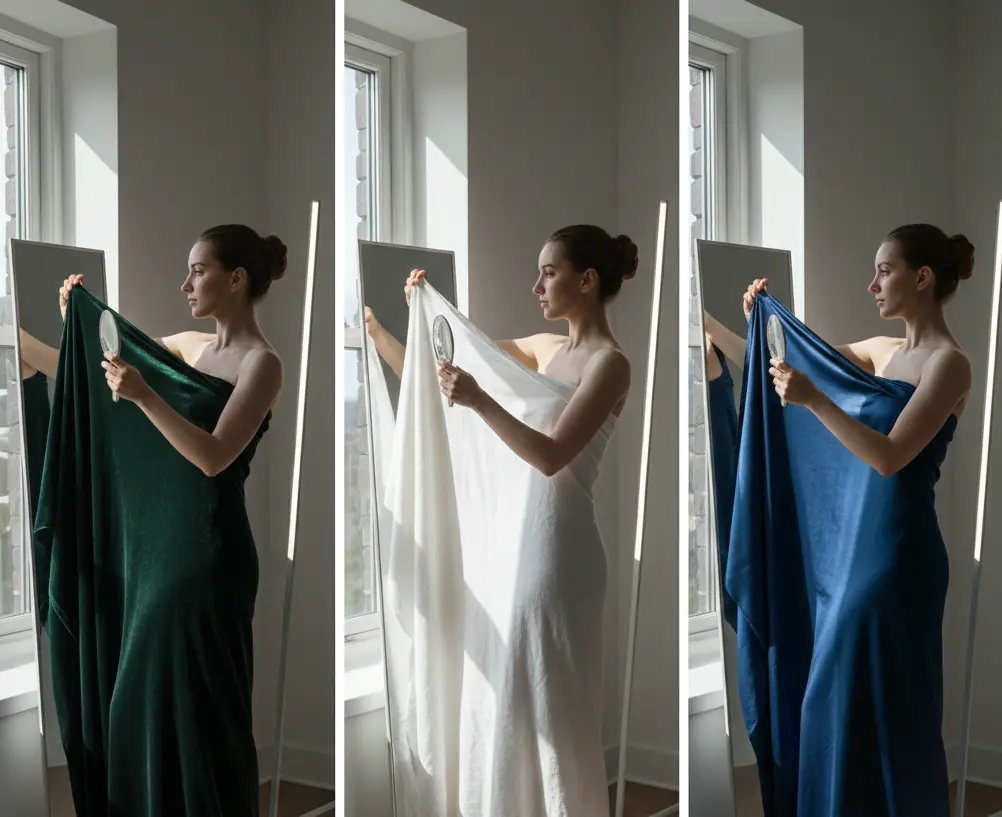
Pre-electricity, people understood that fabric looked different in candlelight versus daylight. Velvet, for instance, comes alive in low light; crisp linen glows in sun. They chose garments based on the time of day and lighting of events. Apply today: Consider the primary lighting of your destination (yellow restaurant lighting, blue office LEDs, natural window light) when choosing finishes and colors.
24-30. More Abandoned Style Philosophies:
-
The "Third Piece" Theory: An outfit isn't complete without a third element beyond top and bottom (a scarf, an unusual bag, a hat).
-
Seasonal Fabric Transitioning: Moving from heavy wool to light wool to silk-lined wool as spring progresses—not a sudden switch to cotton.
-
The Psychology of Pockets: How the placement and size of pockets (functional or decorative) changes posture and attitude.
-
Perfume as an Invisible Layer: The lost art of scenting different fabrics (scent lasts longer on wool than cotton).
-
The Hemline Communication: How, historically, a fraction of an inch in hemline shift sent specific social messages.
-
The "Reserved Color" Concept: Having one color you never wear, making your palette more recognizable.
-
Dressing for Sound: Considering the acoustic of your garments (the rustle of taffeta, the click of heels) as part of your presence.
Part 4: The Low-Competition Keywords (Style Niches Waiting for Champions)
This is where SEO gold lies. Everyone writes about "capsule wardrobe" and "sustainable fashion." The algorithms are hungry for these specific, long-tail phrases that indicate deep intent:
31-40. Search Phrases with High Engagement & Low Competition:
-
"Architectural draping for non-designers"
-
"How to identify 1920s vs 1930s silhouette differences"
-
"Building a wardrobe around fabric first"
-
"Historical mending techniques for modern fabrics"
-
"Pre-plastic garment care rituals"
-
"Fashion as personal archival practice"
-
"Adapting 1970s pattern mixing for minimalist tastes"
-
"The ethics of wearing historical silhouettes"
-
"Creating a signature sleeve shape"
-
"Non-Western style icons pre-globalization"
Part 5: How to Actually Wear This History (A Practical Framework)
You don't want to look like a costume party. The goal is integration. Here’s a four-step method:
Step 1: Adopt One "Dead" Technique
Pick one skill from Part 2. Maybe it's learning the 72-hour airing rule. Practice it religiously for a month. Notice how it changes your relationship with your clothes.
Step 2: Embody One Forgotten Principle
Choose one principle from Part 3. The "One Borrowed Element" rule is an easy start. Apply it to every outfit for two weeks.
Step 3: Research One Obscure Icon
Pick a name from Part 1 that resonates. Find every image and article about them. Don't copy their look; analyze their method. What was their style logic? Apply that logic to your existing clothes.
Step 4: Create a "Style Artifact"
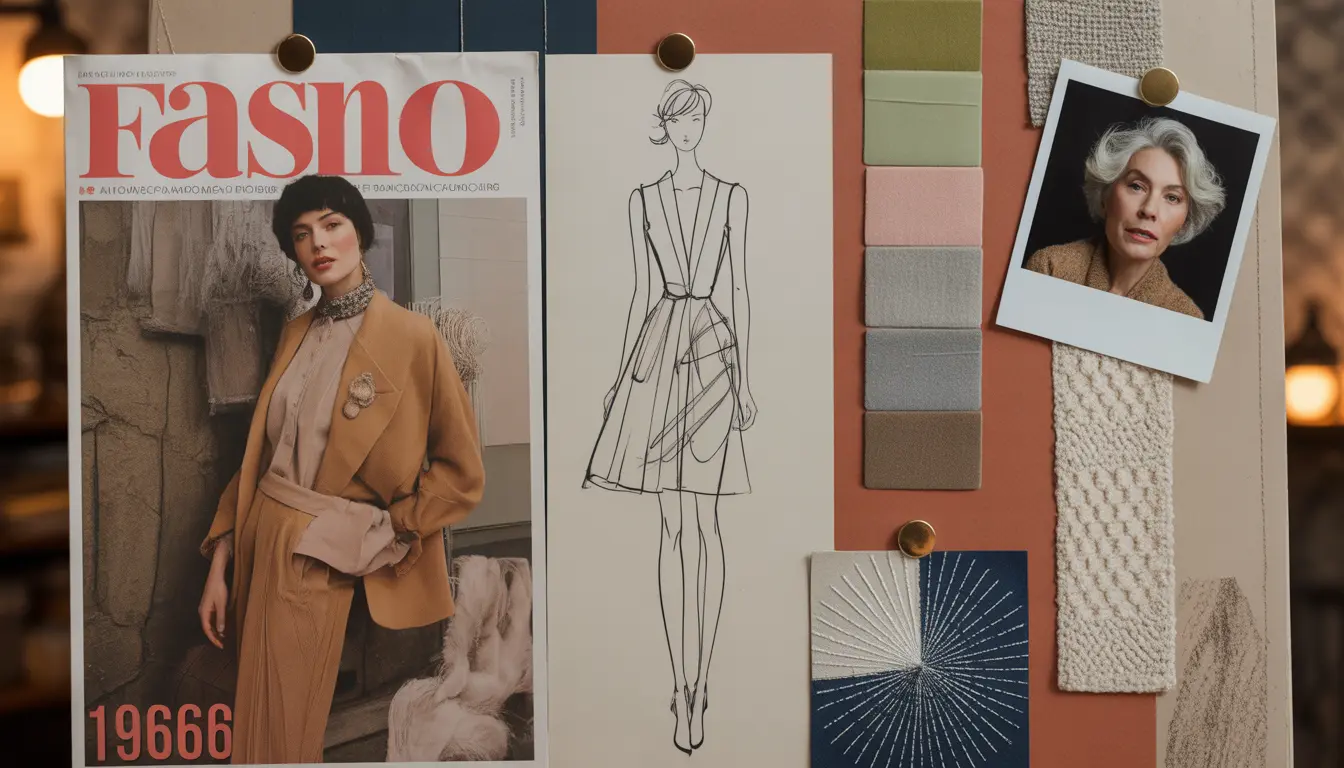
Make one physical thing—a hand-mended shirt, a draped scarf pin, a mood board of textures. The tactile act cements the knowledge.
Part 6: The 100-Point Checklist (From Obscure to Essential)
Here’s the complete list, numbered for your reference and exploration. Each represents a conversation starter, a skill to learn, or a principle to embody.
The Icons (#41-60):
41. Toto Koopman – Double-agent spy and model who mixed military surplus with haute couture.
42. Elsa Peretti – The Tiffany designer who wore her own sleek, organic designs head-to-toe in solid silver or gold.
43. Millicent Rogers – The Standard Oil heiress who popularized Southwestern turquoise jewelry with Parisian couture.
44. Ruth Ford – Actress and muse who commissioned Surrealist garments from her artist friends.
45. Pamela Colin – 1960s London "girl about town" who layered Victorian lace under mod PVC coats.
46. Eugenia Sheppard – Herald Tribune columnist whose personal uniform of crisp shirts and full skirts hid her immense power.
47. Maxime de la Falaise – Model-cook who accessorized Yves Saint Laurent outfits with vegetables and kitchen utensils.
48. Loulou de la Falaise – YSL's muse who embodied "controlled excess," piling on clashing jewelry that somehow worked.
49. Anna Piaggi – Italian editor known for her double hats and dense, scholarly approach to dressing.
50. Isabella Blow – Patron of Alexander McQueen who treated fashion as tragicomic theater.
51. Diane Vreeland – "Why don't you..." columnist who invented fashion fantasy.
52. Babe Paley – The ultra-rich minimalist who had her simple sweaters specially "worn in" by staff.
53. Nan Kempner – American socialite who was once turned away from a restaurant for wearing pants—so she removed them and wore the jacket as a dress.
54. Lee Radziwill – The less-famous sister who had more interesting, intellectual style.
55. Pat Buckley – Society hostess with a penchant for dramatic, jewel-toned caftans.
56. Catherine Deneuve in the 70s – Not the movie star, but the off-duty mother in trench coats and sensible shoes.
57. Marlene Dietrich in trousers – A cliché now, but revolutionary when she did it.
58. Frida Kahlo's Tehuana dresses – A political statement, a pain-hiding strategy, and a personal mythology.
59. Georgia O'Keeffe's black and white – Severe, sensual, and entirely her own uniform.
60. Josephine Baker's banana skirt – Not just a costume, but a satire of colonial fantasies.
The Techniques (#61-80):
61. Blocking a knitted sweater to restore its shape.
62. Making a "swatch book" of your favorite fabrics for repair matching.
63. Using a "sleeve roll" to prevent elbow shine on jackets.
64. The proper way to tie a silk scarf on a handbag.
65. Storing straw hats over winter with a humidifying cup of water nearby.
66. "Breaking in" stiff leather shoes using damp socks and wear.
67. Removing lint with a pumice stone designed for fabric.
68. Using a tailor's ham for pressing curved seams.
69. Creating a "wardrobe map" of what garments need airing, mending, or cleaning.
70. Storing beaded garments flat, never on hangers.
71. Using frozen bread to remove shine from wool suits.
72. The "ice cube" method for ironing silk without direct heat.
73. Repairing a fallen hem with a "blind stitch" by hand.
74. Restoring black garments with a coffee or tea dye bath.
75. Using a razor to gently remove pills from sweaters.
76. Storing feathers (like on boas) in large boxes with breathing holes.
77. Making sachets from dried lavender and cedar chips.
78. Using cornstarch to clean delicate white fabrics.
79. The "sun bleaching" method for vintage linens.
80. Creating a "memory" for a hat's brim by steaming and shaping.
The Principles (#81-100):
81. Dress for your day's activities, not just your appointments.
82. Choose one metal (gold, silver, bronze) and stick to it for coherence.
83. The "one volume" rule: if your top is voluminous, keep bottom narrow, and vice versa.
84. Match your intensity: bold makeup with simple clothes, or bold clothes with minimal makeup.
85. Your handbag should relate in scale to your body, not just to the outfit.
86. Gloves should be tight enough to need to be pulled on.
87. A belt's width should be inversely proportional to your torso length.
88. Shoes should be the same tone or darker than your hemline to elongate.
89. Prints should be scaled to your body size (petite = smaller prints).
90. Your "signature scent" should be discovered by others, not announced.
91. Sunglasses shape should contrast with your face shape (round face = angular glasses).
92. Jewelry should be put on last and tell a personal story.
93. Always remove one accessory before leaving the house.
94. Your at-home clothes should be as considered as your public clothes.
95. Undergarments are the foundation, not an afterthought.
96. Clothes should make you feel like the best version of yourself, not a different person.
97. Style is about editing, not accumulating.
98. Trends are for inspiration, not dictation.
99. The most sustainable garment is the one already in your closet.
100. The final, most important forgotten rule: Style should be a private joy first, a public statement second.
Read Also : Top 50 Office Siren Outfit Ideas
Conclusion: Your Style as Living Archive
In a world of endless digital ephemera, your physical presence—the clothes on your body—remains one of the last tangible, un-hackable forms of self-expression. These 100 forgotten icons, techniques, and principles aren't meant to be a prescriptive checklist, but a source of inspiration to break free from the algorithmic loop of sameness.
The true secret these style ghosts teach us isn't about specific garments. It's about intentionality. It's about understanding the why behind the what. It's about reclaiming clothing as a dialogue—with history, with craft, with your own body and its journey through the world.
Start small. Pick just one item from this list that made you pause. Research it. Try it. Let it live on through you, not as a replica, but as a reinterpretation. That’s how style evolves. That’s how personal legend is built. And that’s how you build a wardrobe—and a self—that no AI can predict and no trend cycle can obsolete.
Your assignment, should you choose to accept it: For the next week, implement #23: Dressing for the "Shadow." Notice the lighting where you spend your time. Choose one fabric that responds beautifully to that light. Observe how it makes you feel. That’s where your unique style legacy begins—not in following, but in noticing. And that is the most human skill of all.