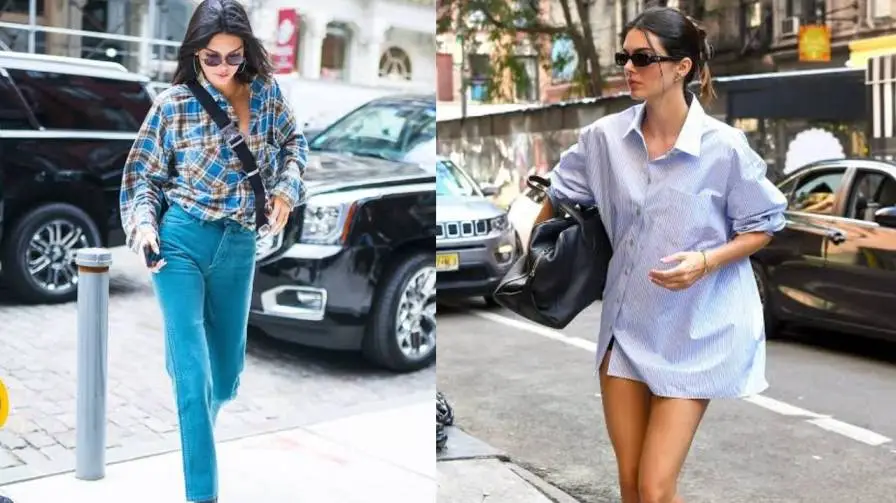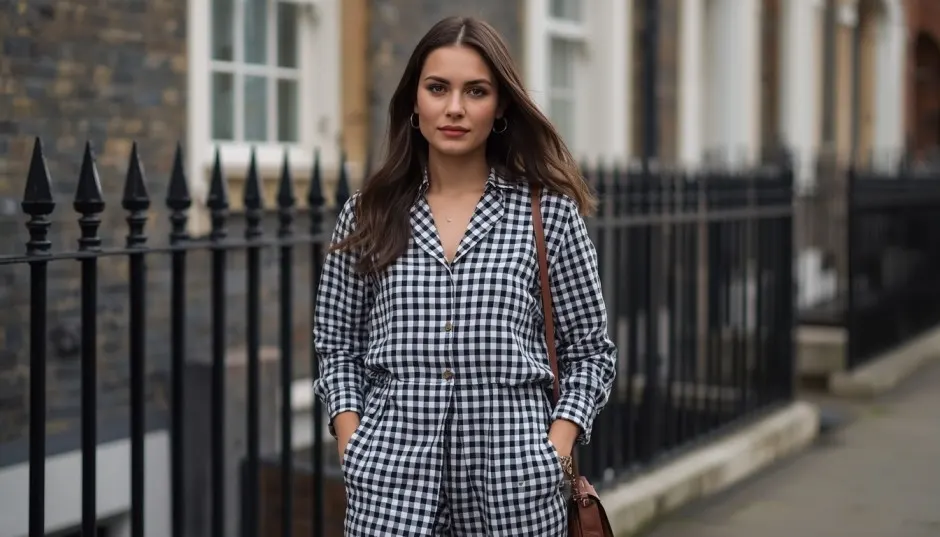
You’re standing in a dressing room, the fluorescent lights hum overhead, and you’re staring at a pile of what’s supposed to be “business casual.” The trousers pool around your ankles in a chaotic accordion of fabric. The shirt sleeves swallow your hands, making you look like a child playing dress-up in his father’s closet. You look at the price tag, then at your reflection, and feel that familiar pang of frustration. “Why is everything built for a 6-foot mannequin?”
I’ve lived this reality. At 5’6”, I’ve spent over a decade navigating corporate offices, high-stakes client meetings, and social mixers where the "off-the-rack" world seemed designed to exclude me. I’ve made every embarrassing mistake: the “boxy blazer” that made me look wider than I was tall, and the "cropped" trousers that just looked like I’d outgrown my clothes.
Here is the truth no one tells you: Business casual isn't a dress code. For shorter men, it is a strategic game of visual engineering. When you understand how to manipulate lines, shadows, and proportions, you don't just "look taller"—you look sharp, competent, and completely in control of your space.
The Psychology of "Visual Weight" and Height Perception
Before we touch a single garment, we have to understand how the human eye processes height. In 2026, we are bombarded with visual data. The brain uses "shorthand" to judge a person's stature and authority.
The "Horizontal Break" Problem
Every time your outfit has a sharp color contrast (e.g., a black belt against a white shirt) or a bunching of fabric (at the ankles or wrists), the eye "stops." Each stop is a visual hurdle that emphasizes the start and end of a limb. For a shorter man, these stops are "stature killers."
The "Vertical Column" Solution
Your goal is to create one uninterrupted vertical column of color. When the observer's eye can travel from your shoes to your face in one smooth motion, it perceives you as longer and more streamlined. This is the "hidden" secret behind why monochromatic outfits are the gold standard for men under 5'8".
The Three Pillars of Fit—A Technical Deep Dive
Fit isn't a vague "vibe." It is a series of anatomical anchor points. If these points are off, the most expensive Italian wool in the world will look like a cheap costume.

Pillar I: The Shoulder Anchor (The "No-Go" Zone)
The shoulder seam is the foundation of every shirt, blazer, and coat. It must sit exactly on the bony "corner" of your shoulder.
-
The Technical Failure: If the seam droops even half an inch down your arm, the "sleeve head" collapses. This creates a saggy look that makes your arms appear shorter and your chest look sunken.
-
The Fix: You cannot tailor shoulders without spending hundreds of dollars. If the shoulder doesn't fit in the store, do not buy it.
Pillar II: The "Rise" Revolution
The "rise" is the distance from the crotch to the waistband. Most men buy "Regular Rise" because it’s the default. For shorter men, this is a disaster.
-
The Technical Failure: A rise that is too long creates "diaper butt"—excess fabric that sags at the crotch. This visually lowers your legs, making them look stubby.
-
The Fix: Seek out Short Rise trousers. This lifts the crotch point higher, effectively "starting" your legs closer to your waist.
Pillar III: The Hemline Horizon
Where your clothes end determines your perceived height.
-
Trousers: You want a "No-Break" or "Slight Break." The fabric should just barely kiss the top of your shoe. Any "pooling" of fabric at the ankle is a visual stop sign that screams "this is too big for me."
-
Sleeves: You must show 1/4 to 1/2 inch of shirt cuff beneath your blazer. This layered look signals that the garment was made specifically for your arm length.
Mastering the "Business Casual" Wardrobe Staples
1. The Proportional Blazer (Scale Over Power)
A blazer is your best friend because it adds "V-taper" structure to your frame. However, the scale must be correct.
-
Lapel Width: Avoid wide lapels. They create a horizontal line across your chest. Opt for slim or notched lapels to keep the eye moving up toward your face.
-
Button Stance: Shorter men should look for a "low button stance." This creates a deeper "V" in the chest, which elongates the torso.
-
The "Short" (S) Size: In 2026, more brands are offering "Short" sizing. This isn't just shorter sleeves; it means the pockets and waist suppression are moved up 1-2 inches to align with a shorter torso.
2. The Shirt Showdown: Tucked vs. Untucked
This is where 90% of short men fail.
-
The "Mid-Zipper" Rule: If you wear a shirt untucked, the hem must end at mid-zipper. If it covers your fly, you have officially deleted your legs.
-
The Military Tuck: If your shirt is too "billowy" at the waist, don't just shove it in. Use the military tuck: fold the excess fabric at the side seams toward your back before tucking. It creates a bespoke silhouette instantly.
3. The Modern Trouser: Taper and Texture
-
The Taper: Your trousers should gradually narrow from the knee to the ankle. A wide leg-opening makes you look like you’re standing in buckets. A tapered opening makes your legs look like long, clean lines.
-
The Chino vs. Dress Pant: Opt for flat-front trousers. Pleats add unnecessary bulk to the midsection, which can make a shorter frame look "stout."
The "Fit vs. Fail" Comparison Table (Reader Perspective)
| Feature | The "Football Player" Fail | The 2026 Proportional Fit | Why It Matters |
| Shoulder Seam | Droops 1" past the bone | Sits perfectly on the corner | Fixes the arm-length illusion. |
| Shirt Hem | Ends at the bottom of the fly | Ends at mid-zipper | Preserves the leg-to-torso ratio. |
| Trouser Rise | Standard/Long (Saggy) | Short Rise (Lifts seat) | Makes legs look 2 inches longer. |
| Sleeve Length | Covers the knuckles | Shows 1/4" of shirt cuff | Signals intentional tailoring. |
| Trouser Break | Full break (pooling) | No-break (Clean kiss) | Removes the "visual stop" at the foot. |
Color Theory and the "Hourglass" Trap
One of the biggest mistakes shorter men make is "color blocking"—wearing a white shirt with black trousers. This "cuts" you in half.
The Monochromatic Advantage
In 2026, the trend of "Tonal Dressing" is a gift for shorter men. Wearing shades of the same color (e.g., a light grey shirt with charcoal trousers) prevents the eye from finding a "break" in your frame. It creates a smooth, vertical flow.
The Belt Dilemma
If you must wear a belt, match it to your trousers, not your shoes. A black belt on black trousers is invisible; a brown belt on black trousers is a horizontal line that shortens you by two inches.
The "Short Man Tax"—How to Use a Tailor Without Going Broke
Most men see the tailor as an "extra" cost. I want you to see it as a finish line.
What to Spend Your Money On:
-
Trouser Hem & Taper ($15-$25): This is the single highest ROI in your wardrobe.
-
Shortening Shirt Sleeves ($20): Essential for showing that 1/4 inch of cuff.
-
Taking in the Sides ($25): If a shirt fits your neck but "balloons" at the waist, get it slimmed.
What to NEVER Tailor:
-
The Shoulders: It’s like heart surgery for a jacket. It’s expensive and rarely looks right.
-
The Rise: If the crotch is too low, a tailor can’t fix it without rebuilding the entire trouser.
Footwear Engineering—The "Clunky Anchor" Problem
Your shoes are the final "period" at the end of your outfit's sentence.
-
Avoid the "Chunk": Thick, heavy soles act as anchors. They pull the eye down and emphasize the distance from the floor.
-
The Pointed Toe: A slightly tapered or almond-shaped toe extends the leg line. A square toe "chops" it off.
-
Chelsea Boots: These are the "cheat code" for short men. They provide a seamless transition from trouser to shoe, especially if the colors match.
Detailed FAQ—The Questions You’re Afraid to Ask
Q: Do vertical stripes actually make you look taller?
A: Yes, but only if they are subtle. Bold "jailbird" stripes can be overwhelming. Look for pinstripes or tonal textures (like a corduroy or a herringbone) that provide a "suggestion" of verticality.
Q: Can I wear cropped trousers if it’s trendy?
A: Proceed with caution. In 2026, the "high crop" is dying out because it makes the wearer look like they’ve outgrown their clothes. If you want a modern look, stick to the No-Break hem. It’s timeless and height-friendly.
Q: Best business casual shoe for short men?
A: A sleek Dark Brown Chelsea Boot or a Minimalist Leather Sneaker. These maintain a slim profile and don't "interrupt" your leg line.
Q: What if my feet are big?
A: This is a common struggle. If you have large feet on a shorter frame, avoid bright-colored shoes. Stick to dark, matte leathers that blend into your trousers. You want your feet to be "invisible" so people look at your face.
The "Rule of Thirds" in Action
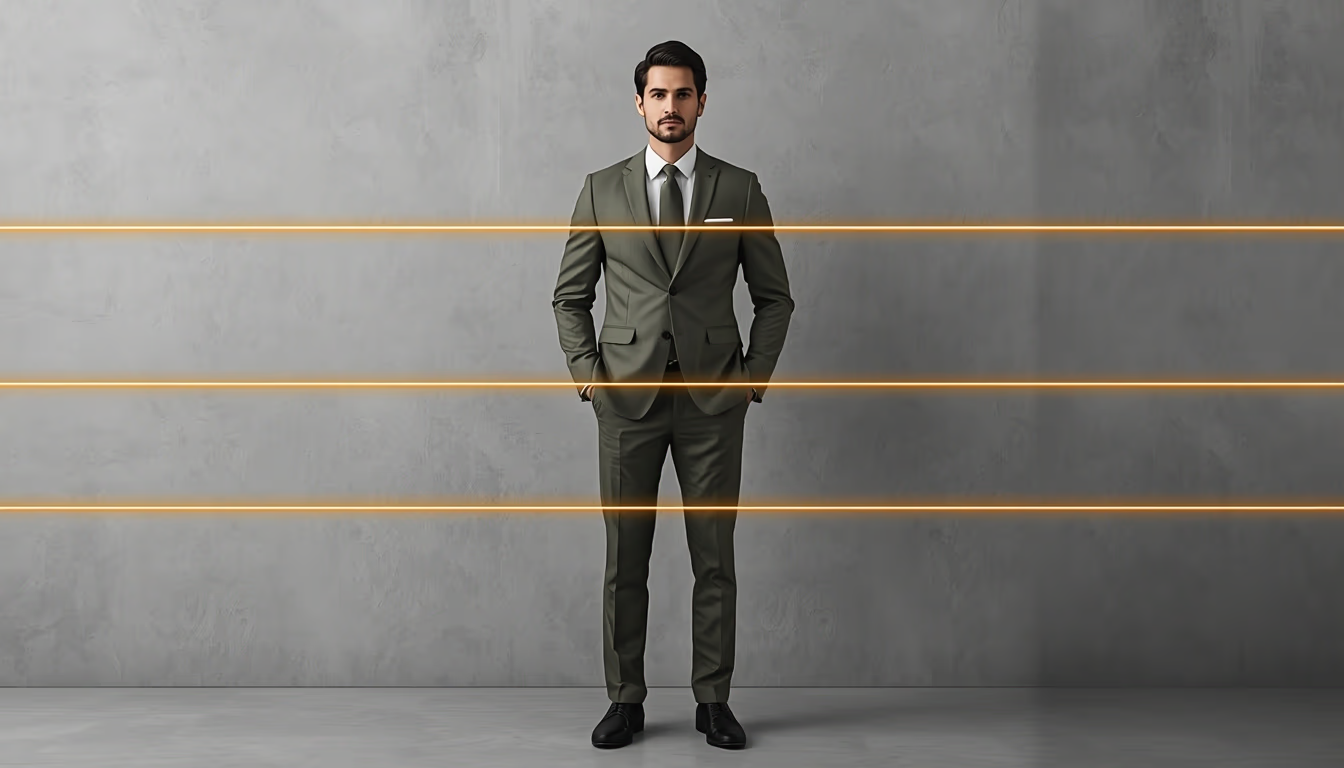
In art and photography, the Rule of Thirds creates the most pleasing compositions. Your body should be viewed the same way.
-
The Top Third: Your head to your waist.
-
The Bottom Two-Thirds: Your waist to your feet.
If your shirt is untucked and too long, you shift into a 50/50 split. This makes your torso look heavy and your legs look like an afterthought. By keeping your shirt hem at mid-zipper and your trousers at a short rise, you maintain that golden 1:2 ratio, which is the universal hallmark of a well-proportioned man.
The "Sandwich Method" for Daily Outfits
If you’re staring at your closet in a panic at 7:00 AM, use this 3-step logic:
-
The Base: Start with a dark, short-rise trouser (Navy/Charcoal).
-
The Filling: Add a shirt in a similar color family (Light Blue/Navy).
-
The Finisher: A tailored blazer or a sleek knit cardigan that ends exactly at the hip bone.
The "Proportion Master" Conclusion & Checklist
Business casual for the shorter man isn't about "hiding" your height. It’s about owning your space. When your clothes fit perfectly, the conversation stops being about how "small" you are and starts being about how precise and detailed you are.
Final Fitting Room Checklist:
-
Does the shoulder seam sit on the bony point?
-
Is there a "saggy seat" in the trousers? (If yes, find a shorter rise).
-
Does the untucked shirt end at mid-zipper?
-
Are the trouser hems pooling on my shoes?
-
Does this outfit create one "vertical column" of color?
Remember: You are not a "difficult size." You are a man who requires precision engineering. Once you learn the language of fit, the world of style opens up to you.