A Fashion Theory White Paper · Her Fashion Forever
Run your fingers across a silk satin bias-cut slip. You’ll feel a cool, almost liquid resistance that cotton jersey can't replicate. It is a fabric that negotiates with the body, never just covering it. That specific silhouette isn’t an accident. Neither is the slouchy cashmere knit pooling at the elbow. Its ease is precisely engineered and culturally loaded, even if it wears its construction with a quiet, hushed tone.
The difference between boudoir and lounge aesthetics isn't about hemlines. These are two separate schools of garment construction and visual storytelling. One says: look at me. The other says: I am not performing for you. Moving beyond surface descriptors requires looking at the architecture of both—their materials, their structural logic, and the cultural moment that gave each its authority.
AT A GLANCE: The difference between boudoir and lounge aesthetics comes down to intent. Boudoir is structured, corseted, and built to display. Lounge is fluid, unstructured, and tactilely driven—built to disappear. One stages the body; the other lets it exist.
The Architecture of Intimacy: Decoding Boudoir
The word boudoir comes from the French bouder—to sulk. Originally, it was a private withdrawing room for retreat. That etymology matters. This style was always semi-private, staged for an audience of at least one, and hyper-aware of being observed.
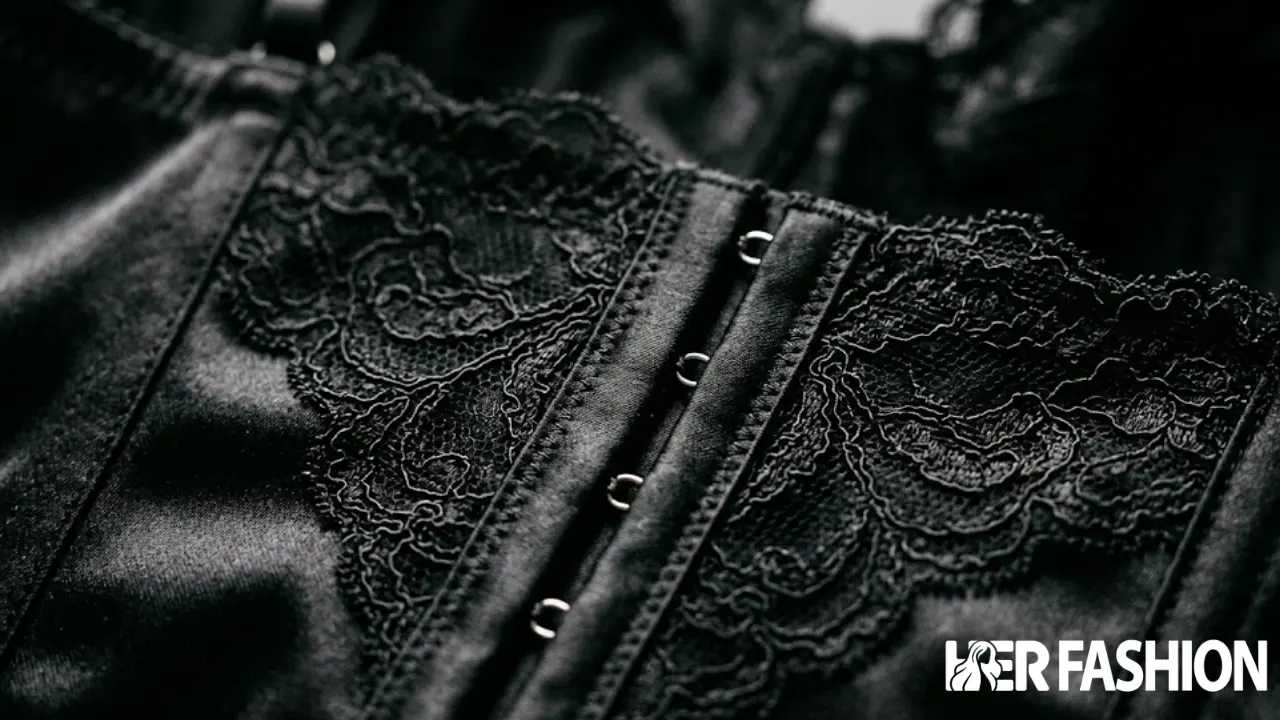
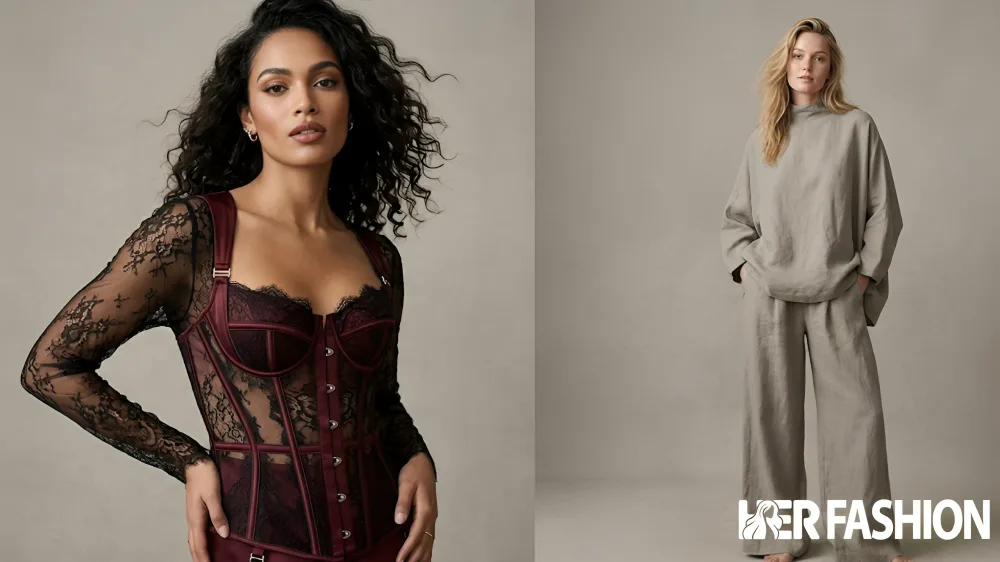
Boudoir is an architecture of containment. Corsetry, boning, and underwiring aren't just restrictive; they present the body with deliberate precision. A boned bodice redistributes and elevates. The garment acts as a controlled armature. The wearer's form becomes the raw material.
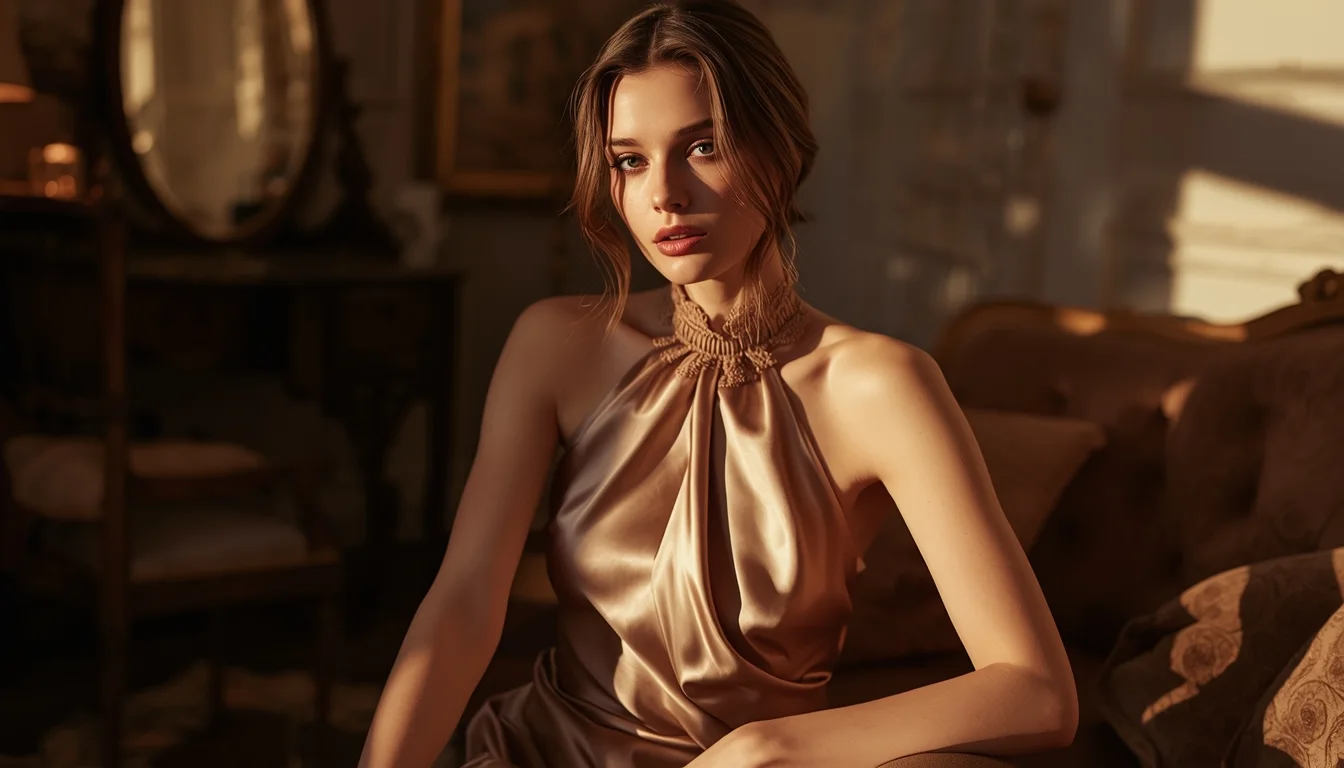
Chantilly lace is the most codified of these fabrics. Its transparency is the entire point. The lace reveals the body through pattern, making visibility an ornate detail. Similarly, silk satin carries a ceremonial weight. The lustre catches light like a spotlight—it demands a witness.
This is vintage glamour pressed into a contemporary silhouette. Think of structured babydolls or corseted chemises. Each draws on historical references—the Edwardian corset cover or the 1940s Hollywood peignoir—while updating them with modern finishes. For a deeper look at these origins, the Met Costume Institute’s digital archive offers a record of how these silhouettes evolved over a century.
Key Stylistic Indicators of Boudoir
-
Visible structure: Exposed boning, hook-and-eye fastenings, and lacings.
-
Layered transparency: Sheer panels set over opaque linings for depth.
-
Concentrated embellishment: Ribbon trim and floral appliqué at the neck or hem.
-
Erotic color associations: Ivory, blush, oyster, and deep burgundy.
The Art of Ease: The Rise of Modern Lounge
If boudoir is a stage set, lounge is a cleared table. Everything unnecessary is gone. No boning. No embellishment. What remains is fabric, drape, and a body allowed to exist without narrative pressure.
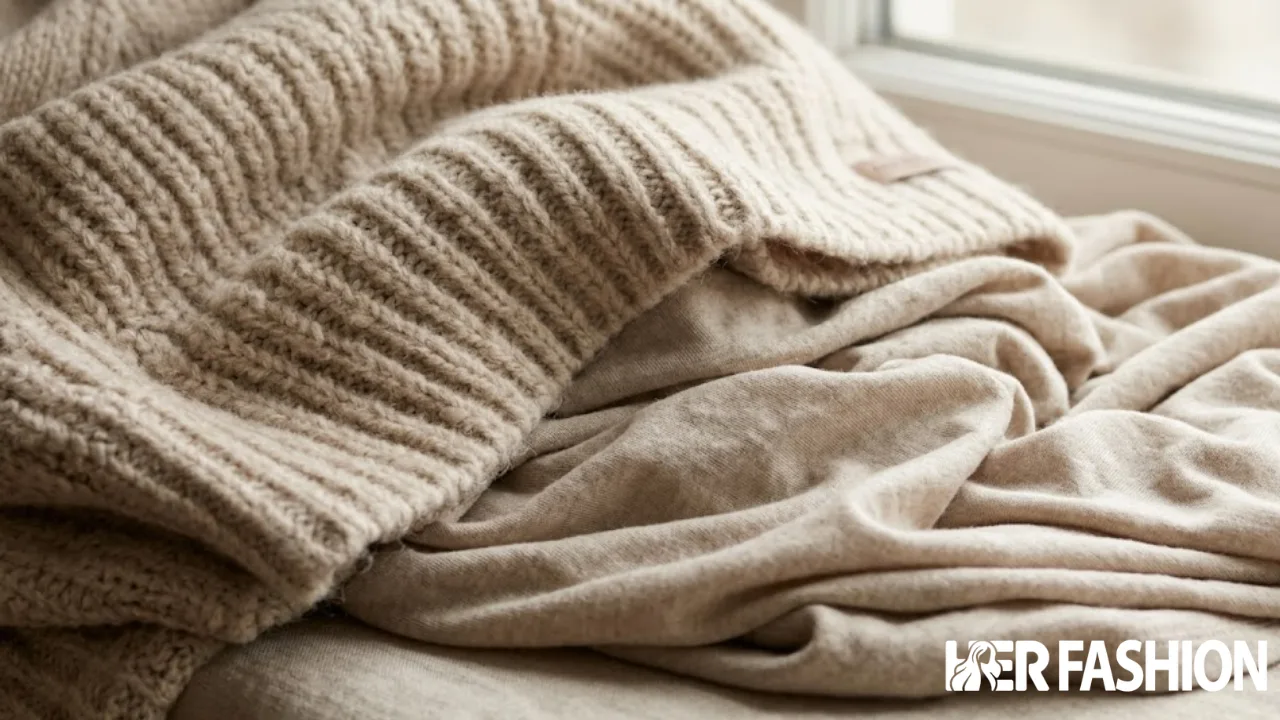
The logic is one of deliberate absence. Where boudoir assembles, lounge subtracts. Minimalist silhouettes are achieved through flat-felled seams and elasticated waistbands. The construction is hidden because it’s working to disappear. A pair of wide-leg trousers in deadstock linen or modal is a technically demanding object that refuses to announce itself.
Lounge reaches for hand-feel over shine. Breathable textiles like modal jersey and organic cotton are chosen for the tactile experience. You aren't thinking about candlelight; you’re thinking about how the fabric feels at 7:00 AM. It’s a private conversation.
The athleisure pivot has deepened this reach. The line between performance gear and premium loungewear is now non-existent. As our comprehensive guide to athleisure co-ords and hybrid sets explores, today’s lounge dressing moves from the gym to the dinner table without a second thought.
This model aligns with the capsule wardrobe. Lounge pieces repeat, layer, and earn their keep through longevity. As we discuss in our overview of women’s fashion styles and 2026 trends, lounge is the foundation; boudoir is the punctuation.
Form vs. Function: The Direct Comparison
The difference between boudoir and lounge aesthetics is a study in philosophy. Boudoir is theatre. Lounge has form, but that form submits to comfort.
| Attribute | Boudoir Aesthetic | Lounge Aesthetic |
| Silhouette | Sculpted, body-defining | Oversized, fluid |
| Primary Fabric | Silk satin, Chantilly lace | Modal, cashmere, linen |
| Construction | Boning, structured panels | Minimal seaming, elastic |
| Intent | Deliberate display | Tactile comfort |
The contrast is visual weight. Boudoir fabrics are active—the shimmer of satin and the intricate ground of lace compete for attention. In lounge, the fabric recedes. One demands the room; the other makes the room irrelevant.
Editorial Application & The Language of Light
The difference is most visible in how these garments are lit. Boudoir photography relies on hard, directional light. A single source carves shadows into lace. It’s intentional shadow play.
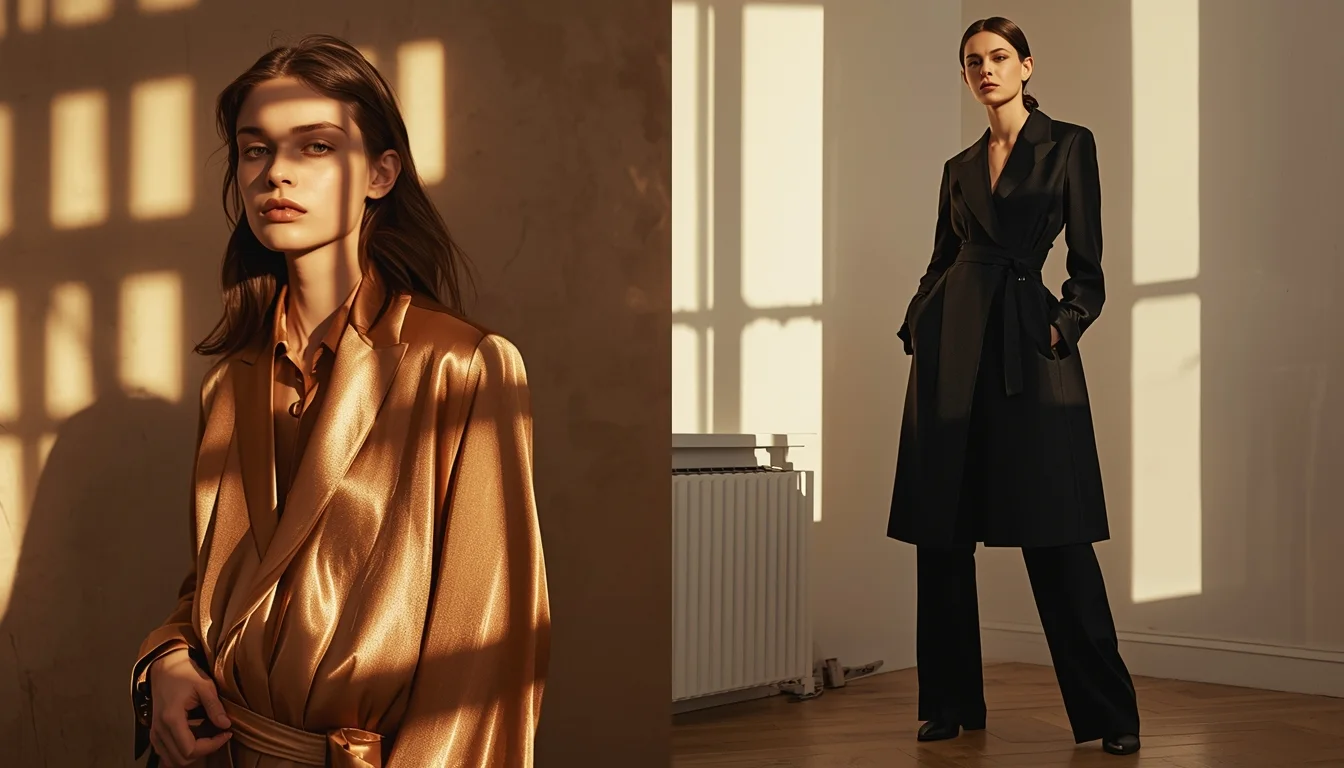
Lounge photography is the opposite. It requires diffused light—a north-facing window or a soft studio strobe. The goal is to eliminate drama. This is why the lounge palette suggests a quiet morning rather than a theatrical midnight.
If you're curious about how these translate into celebrity culture, our guide to sexy hourglass and celebrity-driven fashion maps out how these visual languages influence the red carpet.
Conclusion: Two Aesthetics, One Conversation
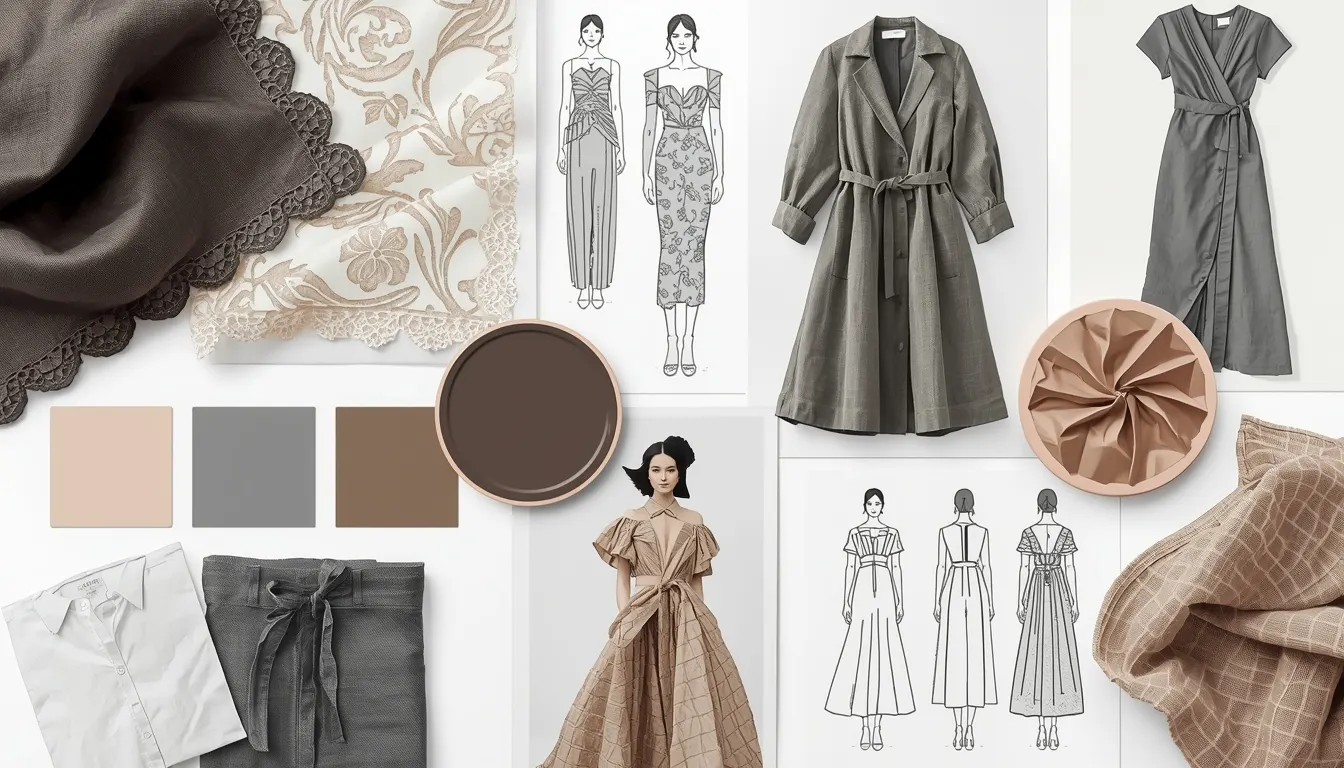
Boudoir is architecture; it builds the body into a form. Lounge is landscape; it lets the body exist without argument. Neither is a "lesser" version of the other.
Understanding the difference between boudoir and lounge aesthetics separates fashion literacy from surface-level reading. These aren't interchangeable. They are two different answers to the same question: Who is your private body performing for? One answers with theatre. The other answers with silence.