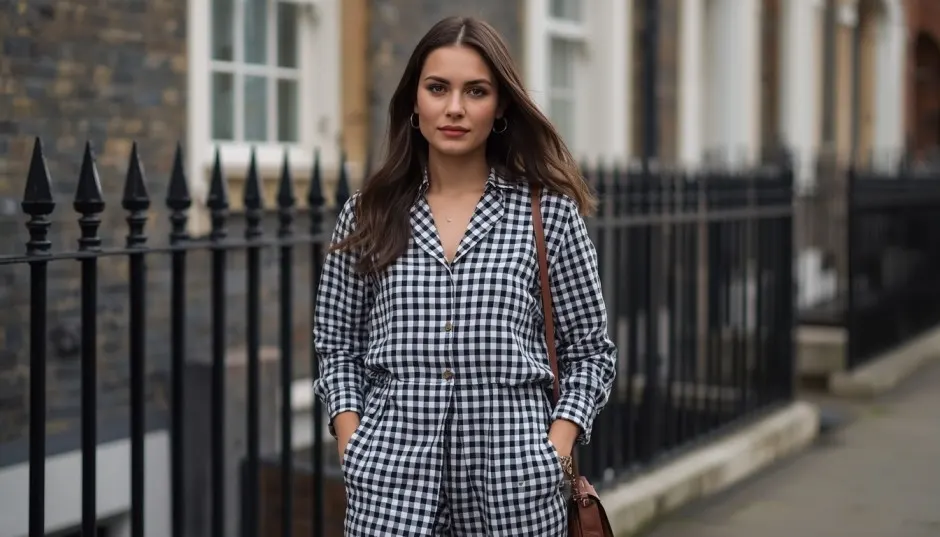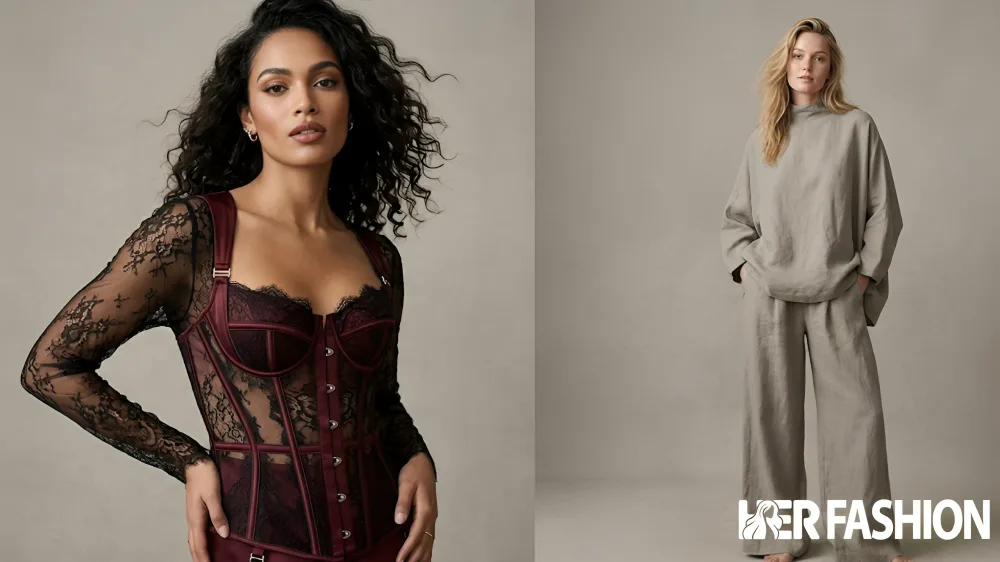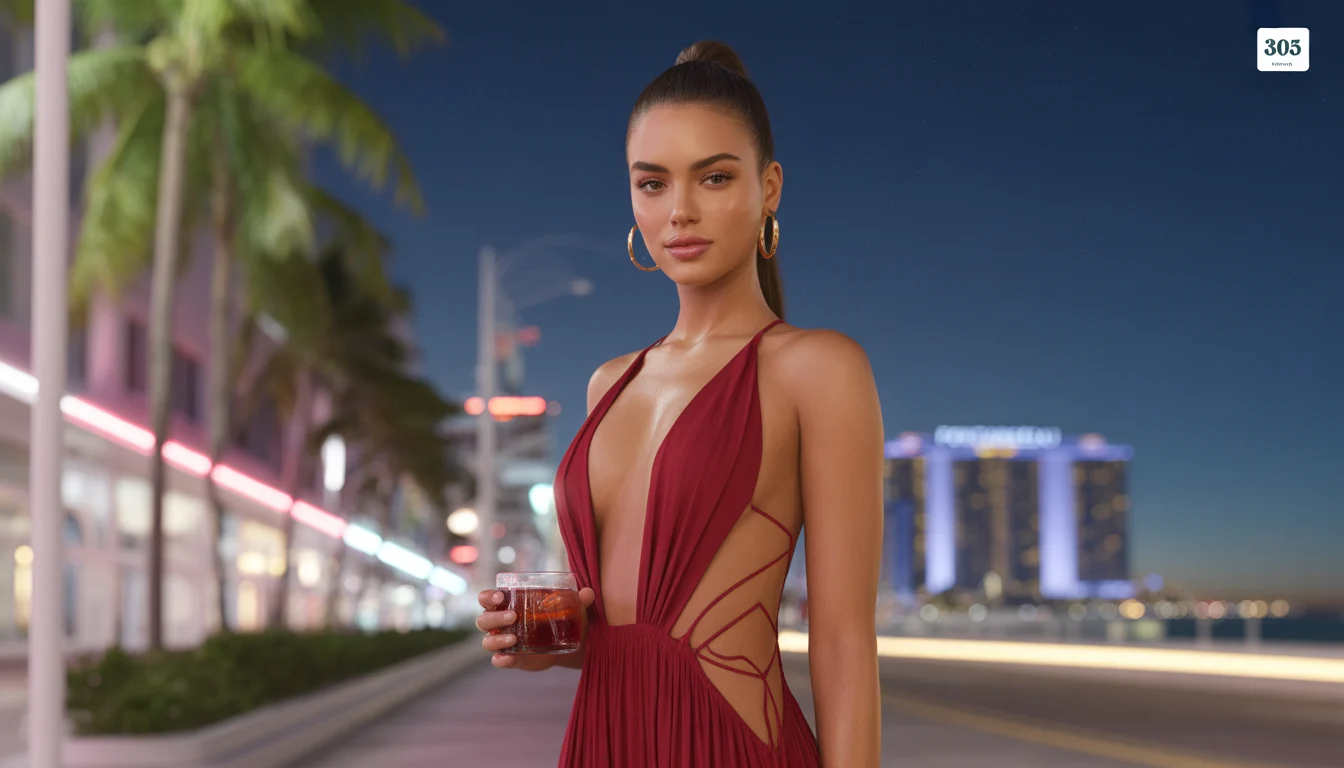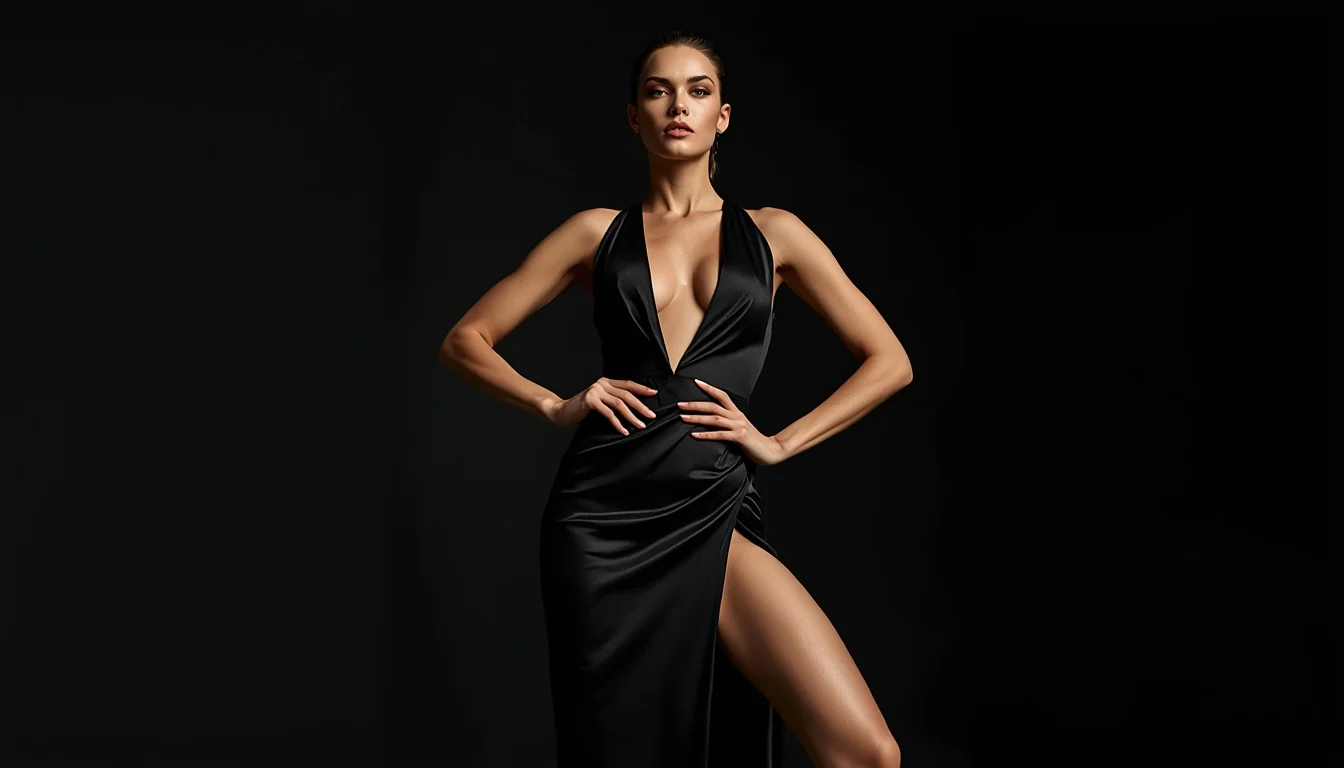
The desire to feel attractive is a powerful, universal human experience. Yet, navigating the line between dressing in a way that feels confident and alluring, and feeling like you’re reducing yourself to an object, can be a complex journey. How do you honor your personal style, express your sensuality, and command respect simultaneously? This guide explores the philosophy and practical strategies for dressing for attraction without objectifying yourself, transforming your wardrobe into a tool of empowered self-expression.
The core principle is a shift in intent. Objectification happens when clothing is chosen primarily for the external gaze, with the goal of being consumed by others. Dressing for attraction, in its healthiest form, is an internal process: you select clothes that make you feel powerful, confident, and authentically connected to your body. The magnetic attraction others feel is a byproduct of your own self-assured radiance.
The Foundational Mindset: Attraction vs. Objectification
Before we discuss hemlines and necklines, let’s establish the mindset.
-
Dressing for Attraction (Empowered): "I wear this because it makes me feel strong, creative, and in tune with my body. I enjoy the way I look and move in it. If others find it attractive, that's a bonus to my own experience."
-
Dressing Under Objectification (Disempowered): "I wear this because it’s what I’m supposed to wear to be found attractive. I need others to validate my choice. My value in this moment is tied to their reaction."
The key is agency. You are the subject of your style narrative, not an object in someone else’s story.
Practical Style Strategies for Magnetic Confidence
1. Master the Art of "One Focal Point"
A principle borrowed from timeless styling advice, this is your most powerful tool. Instead of exposing or highlighting everything at once, choose one area to emphasize.
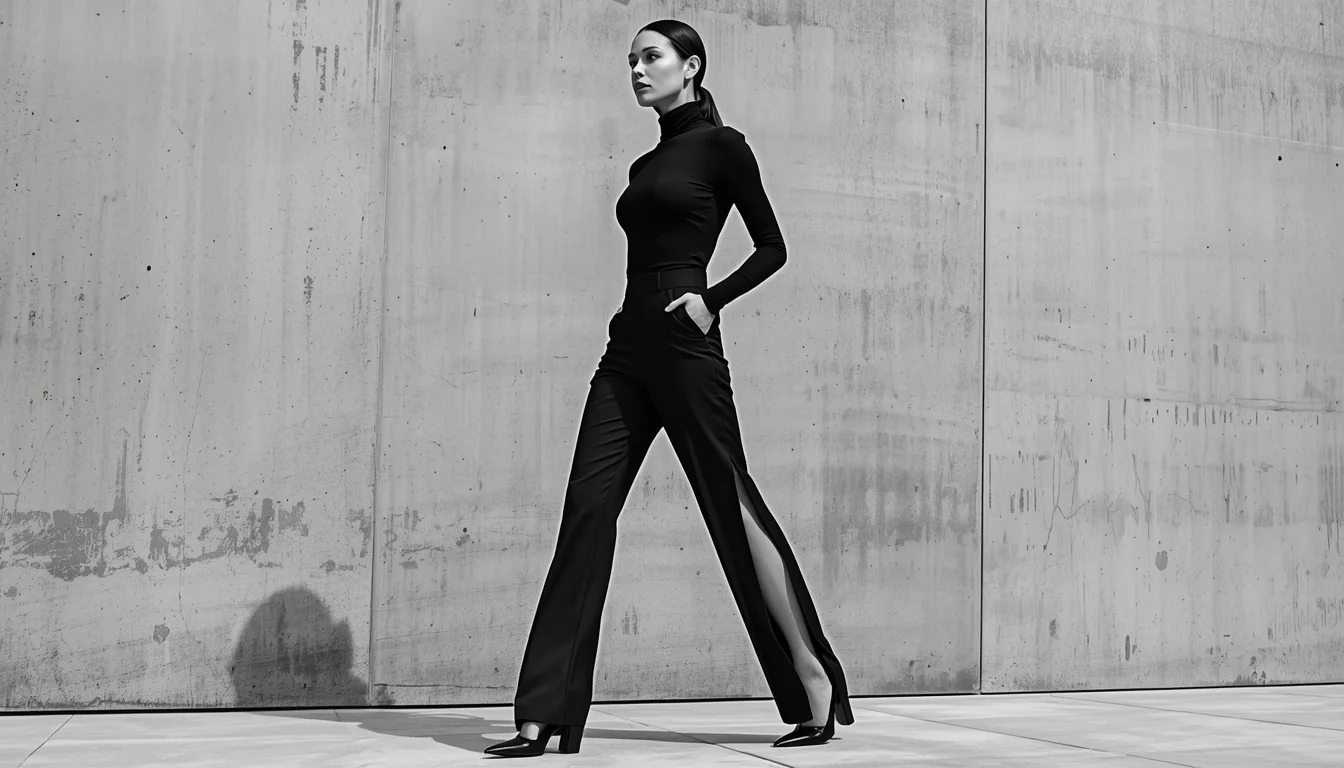 Example 1: A lower neckline is balanced with a longer hemline or sleeves.
-
Example 2: A form-fitting silhouette is paired with a higher neckline.
-
Example 3: A backless detail shines when the front is more covered.
This creates intrigue, sophistication, and allows you to feel in control of the narrative your outfit tells. It invites a second glance rather than demanding a stare.
2. Prioritize Fit and Fabric Over Mere Revelation
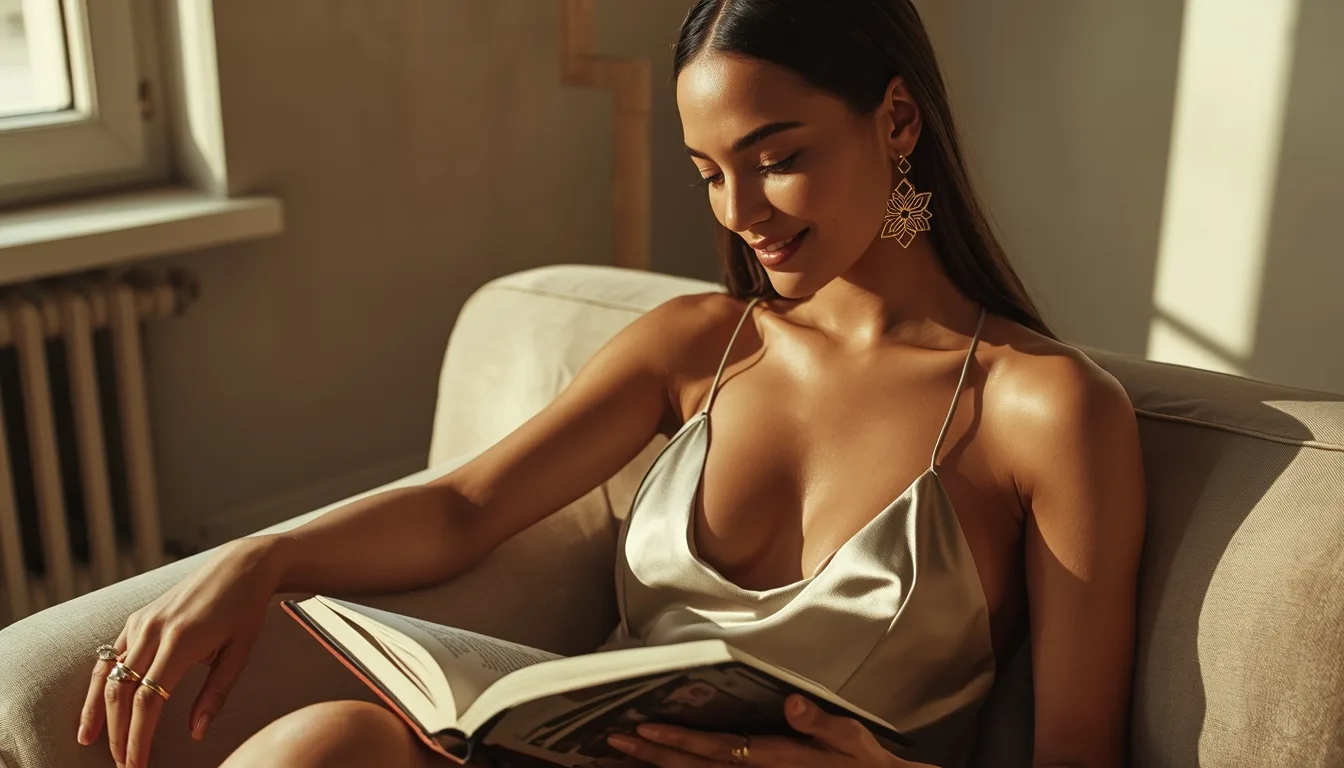
The quality of how clothing interacts with your body is more powerful than how much skin it shows. A well-tailored blazer, a silk slip dress that glides over your curves, or perfectly fitted trousers communicate self-respect and awareness. You are attracting attention to the craftsmanship of your appearance and the confidence of your posture, not just your physiology.
-
Action: Invest in tailoring. Learn which fabrics (e.g., natural fibers like linen, cotton, silk) feel good on your skin and drape beautifully.
3. Cultivate "Intrinsic" Style Signifiers
Incorporate elements that speak to your personality, intellect, and creativity—your intrinsic qualities.
-
A Statement Shoe or Boot: Suggests an interesting journey.
-
Unique Jewelry or an Artistic Bag: Hints at creativity and taste.
-
Unexpected Color Combinations or Textures: Shows confidence and a creative mind.
-
A Great Pair of Glasses or a Hat: Adds character and depth.
These elements make people curious about you, the person wearing the clothes.
4. Embrace the Power of the Third Piece
The "third piece" rule states that an outfit becomes complete and intentional with a third element beyond just top and bottom (e.g., a blazer, a bold scarf, a structured vest, a leather jacket). This layer almost automatically adds polish, context, and a sense of purpose to your look, moving it away from the purely physical.
5. Tune Into Your Own Sensual Comfort
Does this outfit make you feel physically comfortable and able to move? Can you sit, dance, breathe, and laugh easily? Attraction that is rooted in discomfort (pinching shoes, a dress you can’t bend in) often translates as performative. Confidence is deeply linked to physical ease.
Decoding Fashion "Rules": What They're Really For
 What is the 3-3-3 rule for outfits?
A capsule wardrobe strategy for packing: choose 3 tops, 3 bottoms, and 3 pairs of shoes that all mix and match to create multiple outfits. Its relevance here? It emphasizes versatility and intentionality—hallmarks of dressing for yourself, not just for a reaction.
What is the 70/30 wardrobe rule?
Advises that 70% of your wardrobe should be versatile, high-quality core pieces (the "investment" basics), and 30% can be trend-driven, expressive, or statement pieces. This framework supports building a wardrobe where you always have a foundation of pieces that make you feel grounded and put-together, upon which you can layer attraction-focused items.
What is the 7 rule in fashion?
The suggestion that before buying, ask if you can style the new item with 7 different outfits you already own. This champions mindful consumption and ensures new pieces integrate into your life and style, rather than becoming isolated costumes worn for external effect.
Addressing the Big Question: What Outfit Do Guys Find Most Attractive?
Research and surveys consistently point to a surprising (or perhaps not) answer: confidence is the ultimate attractor. A classic study published in the journal Psychology of Women Quarterly found that what men and women both report finding most attractive is a person’s comfort in their clothing.
Specifically, outfits often cited include:
-
The "Little Black Dress" (LBD): Not for being revealing, but for being a universal symbol of polished, confident elegance.
-
Well-Fitted Jeans and a Top: Signaling casual confidence and ease.
-
A Form-Fitting Dress that Allows Movement: Again, the emphasis is on the wearer's comfort and ownership of the look.
The common thread isn’t a specific item but the self-assuredness it conveys. When you dress in a way that aligns with your authentic self, you project that assurance, which is inherently attractive.
The Final Fitting: Your Style Bill of Rights
As you build a wardrobe for authentic attraction, remember you have the right to:
-
Change Your Mind: What feels empowering one day might not another. That’s okay.
-
Defy "Rules": Your body and your comfort are the ultimate authorities.
-
Be Inconsistent: Your style can be a mood ring, reflecting different facets of you.
-
Seek Inspiration, Not Instruction: Use fashion media as a playground of ideas, not a rulebook.
-
Prioritize Your Gaze: The first and most important person you should feel attractive for is yourself.
Dressing for attraction without objectification is an ongoing practice in self-awareness. It’s choosing the armor that makes you feel like the hero of your own life. The most attractive thing you can ever wear is the unwavering belief that you are worthy of respect—from others, and most critically, from yourself—in absolutely anything you choose to put on.