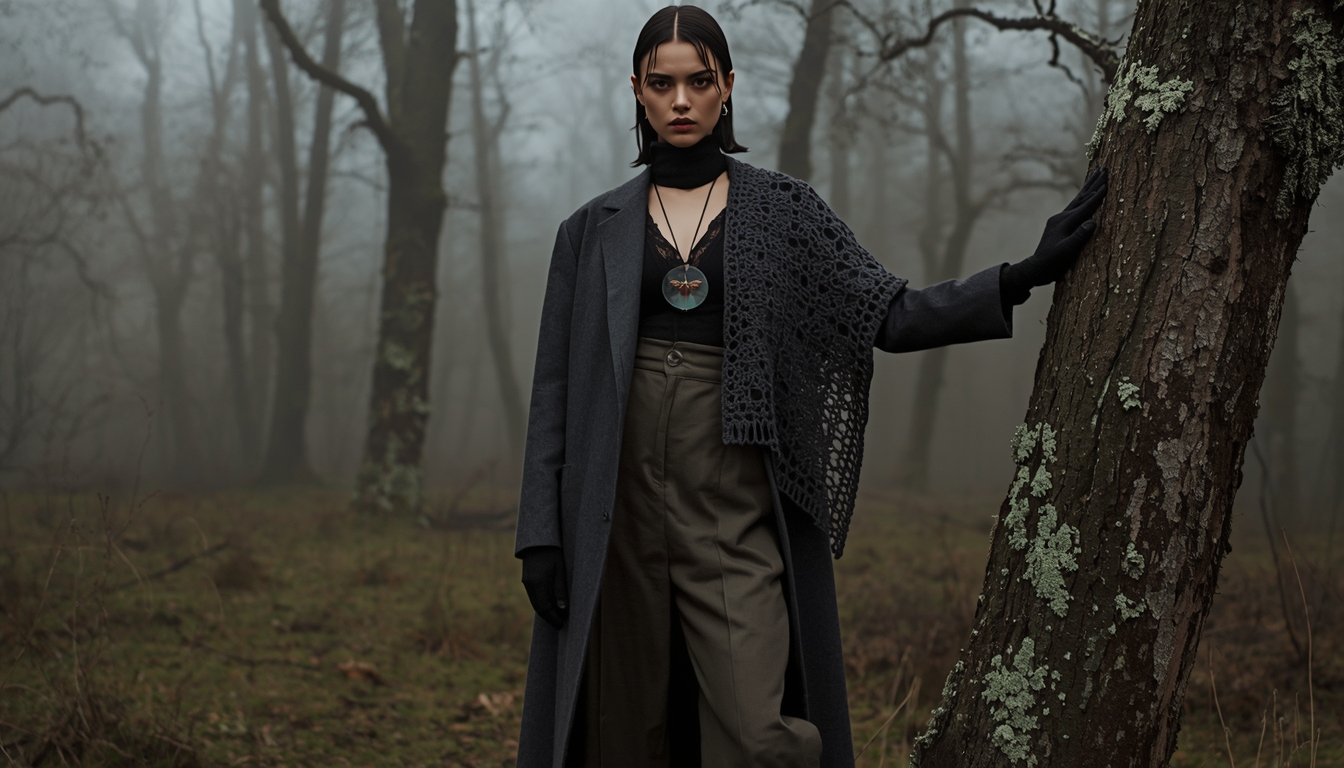
A new style is emerging from the shadows of the forest and the corners of the gothic wardrobe: the Wilderkind aesthetic. This is not merely dark academia or cottagecore. It is a deliberate, 2026-forward fusion—a gothic-naturalist philosophy for dressing. It embraces the beauty of the nocturnal world: moth-wing patterns, the silent grandeur of fungi, the intricate architecture of beetles, all rendered in a palette of moss, charcoal, and decay. Yet, a core problem exists. Searches for "ethical insect-inspired jewelry for gothic outfits" and "moth wing embroidery patterns for gothic jackets" reveal a style gap. Enthusiasts are piecing together a look without a blueprint, risking a costume-like feel or unethical choices. This guide is that blueprint. We define the Wilderkind aesthetic for 2026, provide ethical sourcing solutions, and offer step-by-step styling to transform your wardrobe with intentional, darkly poetic elegance.
Part 1: Defining the Wilderkind Aesthetic – The 2026 Pillars
Before assembling an outfit, understand the foundation. Wilderkind is built on four intentional pillars that separate it from related styles.
1. The Gothic Silhouette: The base is undeniably dark and often romantic—think maxi skirts, tailored high-waisted trousers, structured blazers, and layered dresses. The shape is deliberate, not flowy or ethereal in a traditional "fairy" sense.
2. Naturalist Texture & Material: This is where forest-core integrates. Materials are tactile and earthy: heavy wool, rough linen, waxed cotton, raw silk, velvet that mimics moss or bark. The look values texture over shine.
3. The Nocturnal & Decomposer Palette: Forget sunny meadows. The color story is from the forest floor at dusk: mushroom grey, lichen green, charcoal black, iron oxide rust, parchment, and deep wine. It’s the palette of decay and rebirth.
4. Ethical, Artisan Craft: This is the crucial 2026 element. Wilderkind rejects fast fashion. It champions small-batch dyes, hand-embroidery, reclaimed metals, and ethically sourced natural materials. The aesthetic has a conscience.
This synthesis answers the underlying question in searches like "how to wear forest-core elements in a gothic style?"—it’s about texture and palette applied to a dark, structured base.
Part 2: Ethical Adornment: Solving the Insect-Inspired Jewelry Dilemma
The query "ethical insect-inspired jewelry for gothic outfits" hits the core tension between aesthetic desire and ethical consumption. In 2026, exploitation is not romantic.
The 2026 Ethical Solutions:
-
Resin Art with Ethical Specimens: Seek artisans who use discarded wings from butterfly farms (where butterflies die naturally) or naturally deceased insects sealed in clear, museum-quality resin. The key is transparency in sourcing.
-
Casted Replicas & Enamel Work: Jewelry using detailed metal casts of beetles or moths (not the actual insect) or cloisenné enamel to replicate iridescent wing patterns is a beautiful, cruelty-free alternative.
-
Stone & Mineral Substitutes: Jet, black moonstone, or dendritic agate can be carved into scarab or moth shapes, providing a geological, timeless weight.
-
Where to Find It: Support Etsy artisans like OdditiesByDesignStudio or small brands like **** whose descriptions explicitly state "ethically sourced" or "replica."
Pro Tip: A single, statement insect piece is more powerful than many. A large resin pendant with a moth or a sculpted beetle ring becomes a talisman.
Read Also : Femme Rugged Fashion: The Ultimate Guide to Blending Strength with Feminine Elegance
Part 3: Textural Layering: Building a Wilderkind Outfit
This is the practical application. How do you build an outfit that feels cohesive and intentionally Wilderkind, not like a random assortment of dark and green items?
Follow this 2026 Layering Formula:
-
The Foundation Layer (Gothic Base): Start with a staple in your dark wardrobe. A black wool turtleneck, a charcoal midi skirt, or a pair of tailored wide-leg trousers.
-
The Wilderkind Layer (Naturalist Texture): This is where you integrate forest-core. Add a crocheted shawl in a spiderweb pattern, a vest made of raw, undyed hemp or linen, or arm warmers in thick, homespun wool.
-
The Motif Layer (Nocturnal Narrative): Introduce your motif intentionally. This could be the ethical insect jewelry from Part 2, a scarf with a subtle mycelium print, or a brooch made of preserved fern fronds (ethically foraged).
-
The Anchor Piece (Structural Element): Pull it all together with a structured piece that defines the silhouette. A longline wool blazer, a corset belt in brown leather, or a waterproof waxed cotton jacket.
This methodical approach ensures balance and answers the search for "nocturnal creature motifs in 2026 streetwear" by integrating them as considered components, not overwhelming themes.
Part 4: The Artisan's Touch: Moth Wing Embroidery & DIY Customization
For those seeking a deeply personal touch, the search for "moth wing embroidery patterns for gothic jackets" is a call to craftsmanship. This is the pinnacle of the 2026 Wilderkind ethos.
Your 2026 DIY Guide to Moth Embroidery:
-
Finding the Right Pattern: Search Etsy for digital embroidery patterns using terms like "anatomical moth embroidery," "naturalist insect pattern," or "scientific illustration moth." Sellers like NightLoomEmbroidery often provide precise, beautiful templates.
-
Choosing Your Fabric: Embroider on a fabric worthy of the effort. Heavy cotton twill, wool melton, or thick linen for a jacket or bag. Silk noil or velvet for a more delicate, luxe application on a blouse or cuff.
-
Threads & Stitches for Realism:
-
Long and Short Stitch: Essential for creating the soft, gradient color blends of a moth's wing.
-
French Knots: Perfect for mimicking the tiny, textured spots on a wing.
-
Stem Stitch: Ideal for outlining wing veins with precision.
-
Use silk or cotton embroidery floss in muted, tonal colors—think grey on grey, cream on brown—for a subtle, sophisticated effect.
-
This transforms a plain garment into a unique heirloom, perfectly aligning with the 2026 values of sustainability and personal expression.
Part 5: Curating Your Wilderkind Wardrobe – A Starter Checklist
-
Tops: A tailored black blazer, a wool turtleneck, a linen poet's blouse.
-
Bottoms: Wide-leg wool trousers, a midi skirt in heavy cotton, tailored shorts.
-
Outerwear: A waxed cotton jacket, a long wool coat, a textured cropped cardigan.
-
Footwear: Chunky leather boots, practical yet elegant lace-ups, mules in mossy suede.
-
Accessories: Your ethical insect pendant, leather gloves, a wide-brimmed felt hat, a simple silver chain belt.
Conclusion: Embrace the Dark, Growing Edge
The Wilderkind aesthetic is more than an outfit; it's a mindset for 2026. It’s an answer to the desire for style with depth, fashion with ethics, and beauty that acknowledges the shadowed, decomposing, and wildly creative parts of nature. By understanding its pillars, sourcing adornment responsibly, layering with intention, and embracing artisan touches, you move beyond searching for fragments. You become the curator of a cohesive, powerful, and deeply personal wardrobe that speaks of midnight walks and whispered secrets of the woods. The forest is calling—answer in a beautifully tailored, ethically adorned whisper.