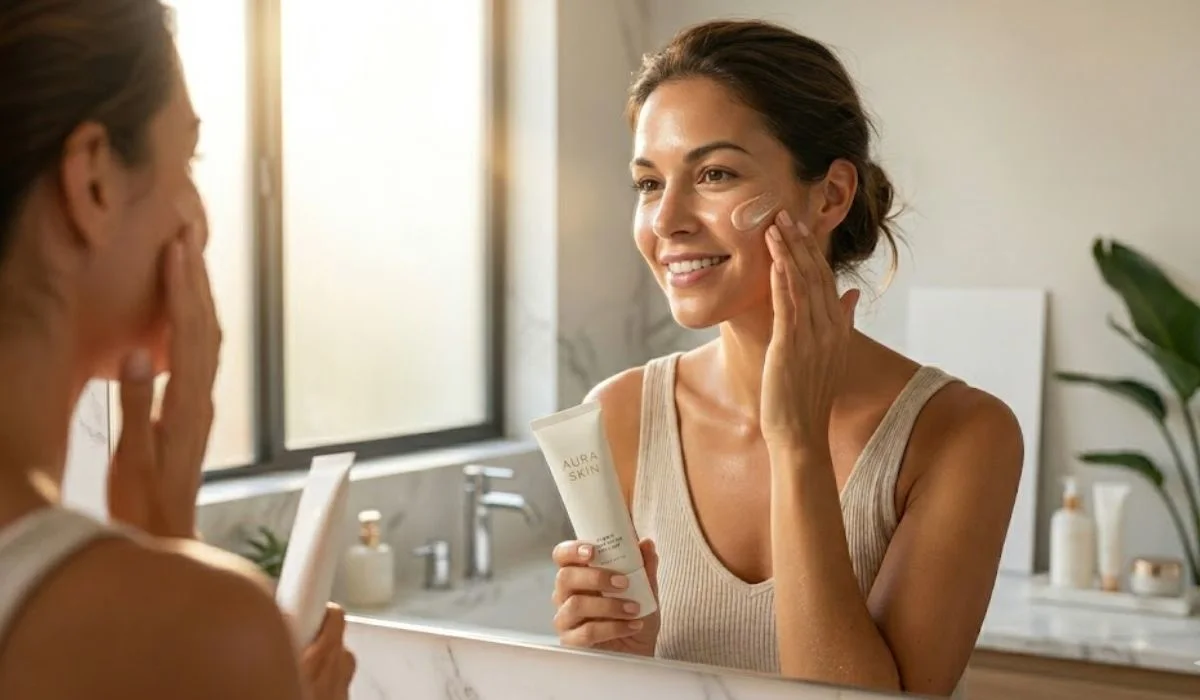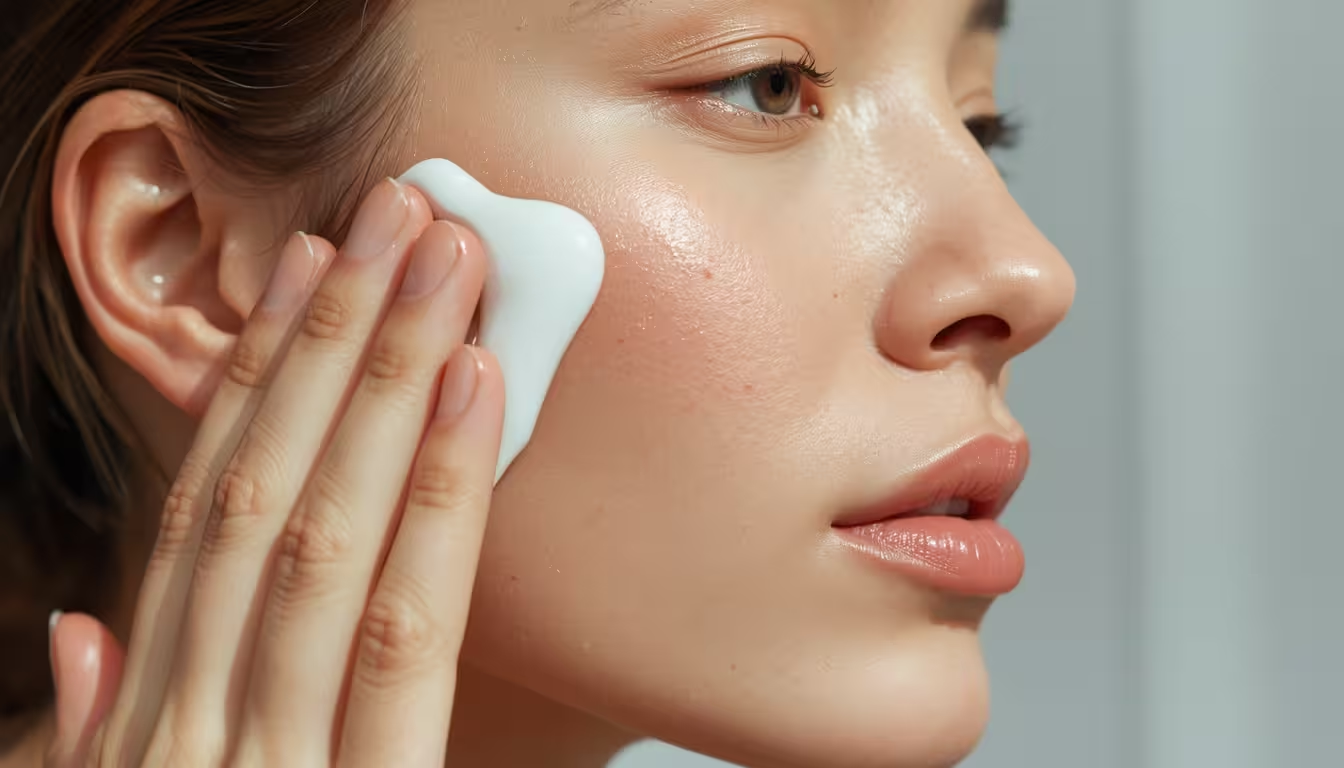
Your face is telegraphing a pretty distress message: burning, redness and stinging every time you apply a mild moisturizer. It’s a signature reaction of an over-exfoliated skin barrier — you’ve compromised your protective outer layer, and nerves are now exposed while moisture can’t escape. Your tendency may be to apply more products, but the actual strategy is surprisingly stripped down — and doesn’t involve a $200 10-step routine. The quickest, most natural way to heal is a tactical withdrawal., often called a "Skin Rest Day" or "Skin Fast." This guide will walk you through the exact, minimalist protocol to reset and repair your skin.
1. The Non-Negotiable First Step: The Full Active Cleanse
Healing cannot begin until you stop the assault. This means immediately halting all "active" ingredients for a minimum of 14 days. These are the products designed to chemically exfoliate or accelerate cell turnover, that have caused your barrier to be in such a weakened state.
-
What to Pause Immediately: Retinol/Retinoids, AHAs (like glycolic or lactic acid), BHAs (salicylic acid), Vitamin C (especially L-ascorbic acid), physical scrubs, and any toners with alcohol or fragrance.
-
The "Why": Your skin's lipid matrix—the "mortar" between your skin "bricks"—is eroded. Continuing to use actives is like trying to rebuild a wall while simultaneously sandblasting it. True repair requires complete cessation.
2. The 14-Day "Skin Fast" Schedule: Less Is More
Strip down your daily routine for the next two weeks to its core, healing essentials. It serves almost as a nutrient-packed fast for the skin, which can direct all its energy to repair.
-
AM Routine:
-
Cleanser: Rinse with lukewarm water only. You don’t need to cleanse in the morning, unless you’re oily. If needed, use a microscopic amount of a non-foaming, cream-based cleanser.
-
Moisturizer: Apply a simple, reparative moisturizer while your skin is still slightly damp. Look for key barrier-repair ingredients: Ceramides (to replenish the lipids), Panthenol (Provitamin B5) (to soothe and heal), and Squalane (to mimic the skin's natural oils).
-
Sunscreen (Mandatory): Use a mineral sunscreen (Zinc Oxide/Titanium Dioxide). Zinc Oxide is an anti-inflammatory which feels less stinging on skin than chemical filters. This step is non-negotiable, as compromised skin is hyper-vulnerable to UV damage.
-
-
PM Routine:
-
Cleanser: Gently massage with a fragrance-free, creamy or balm cleanser to remove sunscreen. Rinse with warm, never hot water.
-
Moisturizer: Apply a slightly thicker layer of your reparative moisturizer to act as an overnight healing mask.
-
3. The Healing Hero Ingredients: Your Natural Repair Kit
You don’t need a cabinet full of things; you need the right kinds. Focus on formulas built for recovery.
-
Ceramides: The fundamental building blocks of your skin's barrier. They are the essential "mortar" you need to replenish.
-
Panthenol (Provitamin B5): A profound soother and humectant that reduces redness and the feeling of tightness.
-
Centella Asiatica (Cica): A legendary calming ingredient that accelerates skin repair and reduces inflammation.
-
Squalane: A plant-derived oil that matches your skin's own sebum, providing lightweight occlusion to lock in moisture without clogging pores.
-
Avoid: Fragrance, essential oils, alcohol denat, and any product that tingles or burns (a sign it's disrupting, not healing).
4. The Opening Acts: Lifestyle Hacks for Quicker Recovery
It’s not just what you do outside your bathroom that matters, though.
-
Pat, Don't Rub: When drying your face, gently pat with a clean, soft towel. Rubbing causes friction and irritation.
-
Lukewarm Water: Avoid extreme temperatures in showers and washing.
-
Simplify Everything: Skip makeup if possible. If you are wearing it, go for mineral-based formulas and take it off with your gentle cleanser, not makeup wipes — which can create a biohazard in the garbage.
-
Hydrate & Nourish: Drink plenty of water and focus on foods rich in omega-3 fatty acids (like salmon, chia seeds) and antioxidants to support healing from within.
5. What to Expect: The Realistic Healing Timeline
-
Days 1-3: Immediate relief from acute stinging. Redness may begin to subside.
-
Days 4-7: Your skin should start to feel more comfortable. The tight, papery feeling lessens as hydration is restored.
-
Days 8-14: Significant reduction in redness and sensitivity. Your skin's texture will begin to normalize.
-
After 14 Days: You may cautiously reintroduce one active product, starting at once per week. Listen to your skin. If any stinging returns, pause for another full week.
Read Also : The Right Time to Exfoliate for Healthy Skin
Final Verdict: Healing Through Patience, Not Products
Fixing an over-exfoliated skin barrier naturally is an exercise in restraint and trust. And “Skin Fasting” is effective not because fasting is, rather it removes noise and gives your skin the simple, targeted support it needs to heal itself. Just stick to two weeks of minimalism with ceramide-rich moisturizers and absolute abstinence from actives, and you’ll be giving your skin the quiet zone it needs in order for that all-important protective shield to go back up. Remember, in skin repair, what you don’t need to do is often the most powerful step.