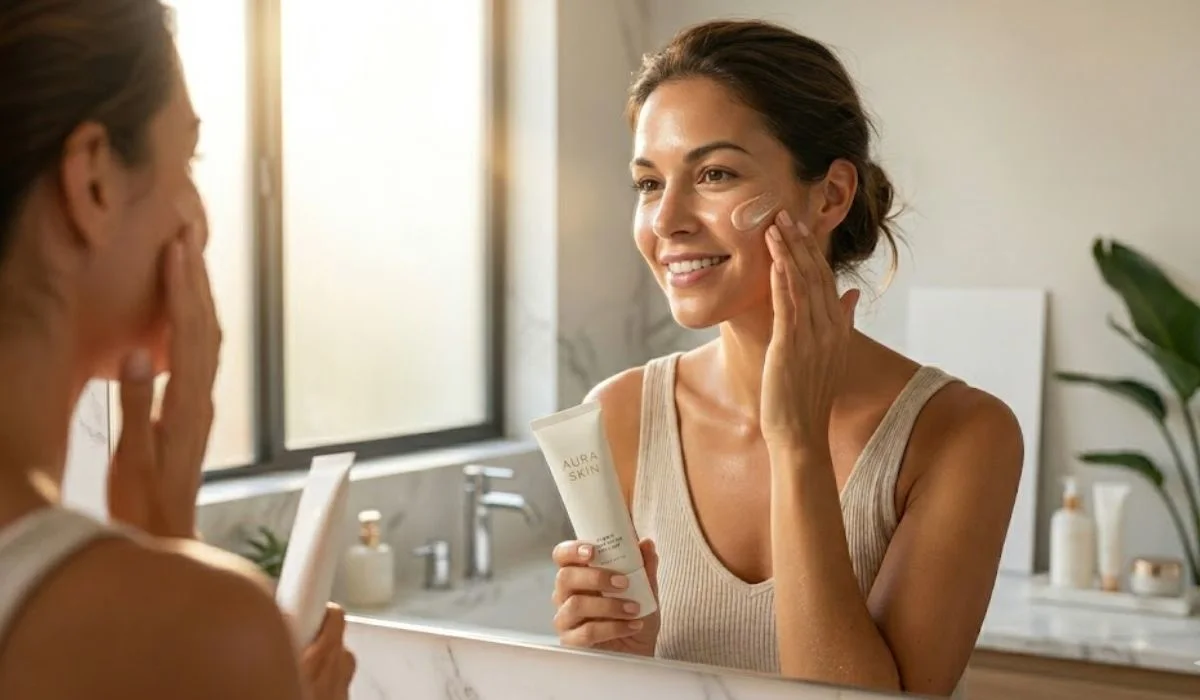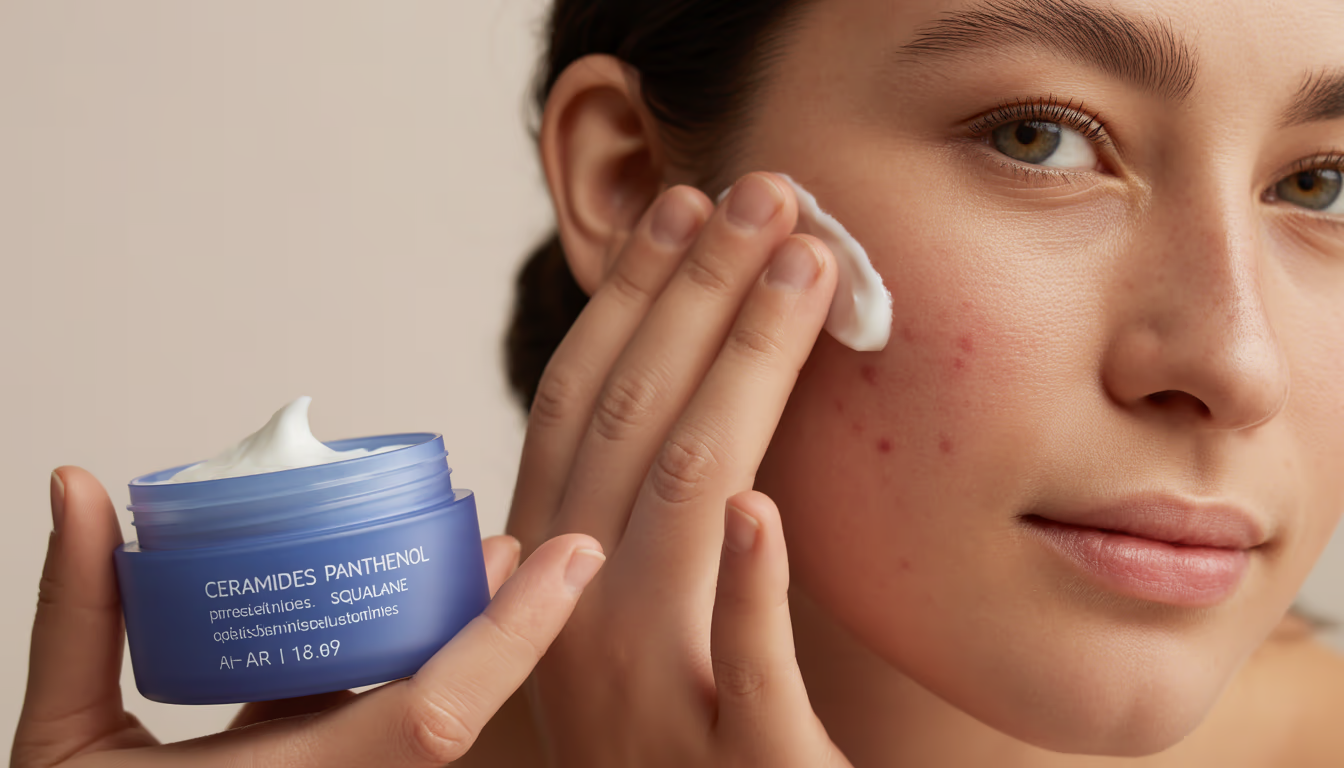
Your skin barrier isn't just a trendy term—it's your body's most essential protective shield. Think of it as the brick wall of your skin: ceramides are the mortar, fatty acids are the bricks, and cholesterol holds it all together. When this wall is strong, your skin is hydrated, smooth, and resilient. When it's compromised, you experience a cascade of frustrating symptoms. If you're asking, "how to repair skin barrier naturally," or wondering "how long does it take to repair your skin barrier," you've likely encountered the painful reality of a damaged shield. This comprehensive guide will help you identify, understand, and systematically heal your skin's most vital layer.
Diagnosis – Is Your Skin Barrier Damaged?
Before you can fix a problem, you must confirm it exists. "What does a broken skin barrier look like?" is the first critical question.
A healthy skin barrier feels comfortable, looks balanced, and reacts calmly to products and environments. A compromised skin barrier presents clear, often distressing, signs:
-
The Sensory Clues: Your skin stings, burns, or itches when applying even gentle, familiar products like moisturizer or cleanser. It feels tight, dehydrated, and may develop a rough, sandpaper-like texture.
-
The Visual Evidence: Look for unexplained redness, flushing, or rash-like patches. You may see increased sensitivity, peeling, or a sudden onset of flakiness. Paradoxically, your skin might also appear oily yet feel dry—this is often "dehydrated skin" overproducing oil to compensate for a lack of moisture.
-
The Functional Breakdown: Your skin loses its ability to hold onto water, leading to trans-epidermal water loss (TEWL). It also becomes more vulnerable to environmental aggressors (pollution, UV rays) and bacterial invaders, which can lead to increased breakouts, inflammation, and infections.
If you're thinking, "is my skin barrier damaged?" and multiple signs above resonate, the answer is likely yes.
The "Skin Fast" – The Non-Negotiable First Step to Heal
Healing cannot begin until you stop the assault. This is the most critical phase. Think of it as putting your skin on a gentle, nourishing "fast" from anything irritating.
1. The Great Pause: Eliminate All Aggressors
Immediately stop using:
-
Active Ingredients: Retinoids/retinol, AHAs (glycolic, lactic acid), BHAs (salicylic acid), and high-potency Vitamin C (L-ascorbic acid).
-
Physical Exfoliants: Scrubs, brushes, and rough washcloths.
-
Stripping Agents: Foaming cleansers with sulfates (SLS/SLES), alcohol-based toners, and heavily fragranced products.
2. The Simplest Routine Imaginable
For a minimum of 2-4 weeks, adopt this minimalist regimen:
AM:
-
Cleanse: Rinse with lukewarm water only. If you must cleanse, use a tiny amount of a non-foaming, milky, or cream cleanser.
-
Moisturize: Apply a barrier-repair moisturizer to damp skin. Look for the key trio: Ceramides, Cholesterol, and Fatty Acids. This combination is clinically proven to repair the lipid matrix.
-
Protect: Apply a mineral sunscreen (zinc oxide/titanium dioxide). Zinc is anti-inflammatory and less likely to sting.
PM:
-
Cleanse: Use the same gentle, cream-based cleanser to remove sunscreen.
-
Moisturize: Apply a slightly thicker layer of your repair cream or a dedicated barrier-repair ointment (like a Cicaplast balm) as a healing mask.
This is not the time for innovation. Consistency and restraint are your most powerful tools.
The Science of Repair – How to Rebuild Your Skin Barrier Strategically
Repair is an active process of replenishment. Here’s how to strategically strengthen skin barrier function with intelligent ingredients.
The Pillars of Barrier Repair:
-
Ceramides (The Essential Mortar): Constituting over 50% of your skin's lipids, ceramides are the glue that holds skin cells together. To increase ceramides in skin, use products listing them (e.g., ceramide NP, AP, EOP). They are non-negotiable for rebuilding.
-
Fatty Acids & Cholesterol (The Bricks & Binders): These lipids fill in the gaps. Look for oils rich in linoleic and linolenic acids (safflower, sunflower, rosehip) and products containing cholesterol or plant sterols.
-
Occlusives (The Protective Seal): Ingredients like petrolatum, squalane, and shea butter create a protective film on top of the skin, preventing water loss while the barrier repairs underneath. They are especially crucial overnight.
-
Humectants (The Hydration Pull): Glycerin, panthenol (B5), and hyaluronic acid attract water from the dermis and air into the skin, providing necessary hydration to the healing cells. Always layer a humectant under an occlusive to "seal in" the moisture.
-
Soothers (The Firefighters): Centella Asiatica (Cica), panthenol, oat extract, and niacinamide reduce inflammation, calm redness, and support the skin's own healing processes.
The Timeline – How Long Does It Take to Heal?
This is the question of patience. "How long does it take for skin barrier to heal?" varies, but here is a realistic, phase-based timeline:
-
Days 1-7 (Acute Relief): With the elimination of irritants and the introduction of soothing, reparative products, the intense stinging, burning, and tightness should subside significantly. Redness may begin to fade.
-
Weeks 2-4 (Active Repair): Hydration levels improve. The rough, flaky texture starts to smooth out. Your skin should begin to feel more comfortable and resilient.
-
Weeks 4-8 (Consolidation & Strengthening): The lipid matrix is actively rebuilding. Your skin's ability to retain moisture normalizes. Sensitivity continues to decrease. This is when you truly rebuild skin barrier integrity.
-
Month 3+ (Full Resilience): For severely damaged barriers, full recovery can take 3-6 months of consistent care. The goal is not just to heal but to strengthen skin barrier function beyond its original state.
The key determinant? The severity of the damage and your unwavering commitment to the "skin fast" and repair-focused routine.
Related Post : When To Use Exfoliate In Skincare Routine?
Lifestyle & Lasting Strength – How to Strengthen Skin Barrier Long-Term
Once healed, your goal shifts to maintenance and fortification.
-
Reintroduce Actives with Extreme Caution: After 4+ weeks of comfort, reintroduce one active product at a time. Start with once-weekly application, and watch for any return of sensitivity.
-
Dietary Support: Consume foods rich in omega-3 fatty acids (fatty fish, walnuts, chia seeds), antioxidants (berries, leafy greens), and ceramide precursors (soy, eggs, wheat germ).
-
Environmental Defense: Never skip sunscreen. Protect your skin from extreme wind, cold, and dry indoor heating with a physical barrier like a scarf and a humidifier.
-
Stress & Sleep Management: Chronic stress elevates cortisol, which can weaken the skin barrier. Prioritize sleep (the prime repair time) and stress-reduction techniques.
Conclusion: The Path Back to Skin Resilience
Learning how to fix skin barrier on face is a journey back to skin health—a process that requires equal parts knowledge, patience, and self-compassion. A damaged skin barrier is not a life sentence; it's a sign from your body asking for gentler, more intelligent care. By diagnosing the signs correctly, committing to a minimalist repair routine rich in ceramides and soothing ingredients, and respecting the natural healing timeline, you can systematically rebuild a barrier that is stronger, more resilient, and better protected than ever before. Your skin's future health begins with the simple, powerful act of repair today.